How to Organize a Small Entryway: A Step-by-Step Guide
You walk in the door with your arms full of groceries. Your kid’s backpack lands on the floor. Your shoes get kicked off wherever they land. By Friday, your front entrance looks like a garage sale. If you’ve been searching for how to organize a small entryway, you already know the problem isn’t a lack of effort — it’s a lack of a system that fits your actual space. Most foyers in apartments and older homes weren’t designed to hold everything a modern household drags through the front door every day.
And unlike a mudroom, which is usually a separate utility room with built-in cubbies, a small foyer or front hallway has to double as living space, so the storage needs to work harder in less room. The good news is you don’t need a mudroom or a walk-in closet to fix this. You need the right combination of a few small tools and one habit that sticks. Here’s exactly how to do it, room size and budget be damned.
Why Small Entryways Get Cluttered So Fast
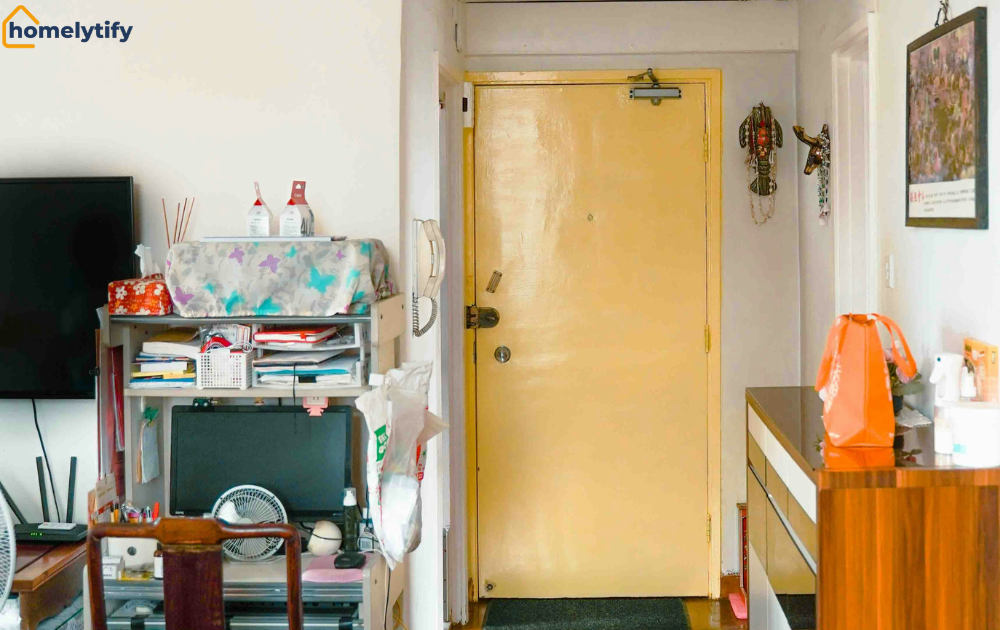
Small entryways collect clutter because they’re the busiest transition zone in the house, yet they usually get the least amount of dedicated storage. Every person, bag, and pair of shoes passes through this exact spot, twice a day, minimum.
Think about it this way: your kitchen has cabinets built for dishes, your bedroom has a closet built for clothes. But the front hallway — the room with the most daily traffic — often gets nothing but a coat hook and a doormat. That mismatch between demand and storage is the real reason things pile up. It’s not that you’re messy. It’s that you’re asking a 3-foot-wide strip of floor to do the job of an entire closet.
This is where things usually fall apart: people try to solve the problem with one big furniture purchase, like a giant cabinet, without first figuring out what’s actually flowing through the space. A better approach is to understand how your household uses the space first, then build your storage around those daily habits.
There’s actual research behind why this matters beyond just aesthetics. A 2025 study on home clutter and mental well-being found links between clutter and how people process their living space. Questions remain about whether clutter causes lower well-being, low well-being leads to more clutter, or both feed each other over time.
In plain terms: the entrance area isn’t just an eyesore when it’s disorganized — it’s the first stressor you hit walking in the door, and it can set the tone for how the rest of the house feels.
Start Here: A 15-Minute Entryway Reset
Before buying anything, clear the entryway completely and sort everything into three piles: keep here, belongs elsewhere, and donate or toss. This quick reset shows you exactly what your space needs to hold daily, which prevents you from buying storage you don’t actually need.
Here’s how to run it:
- Pull everything out of the entryway — shoes, bags, mail, umbrellas, all of it.
- Wipe down the floor and any surfaces. You’d be surprised how much better a space feels once it’s actually clean.
- Sort into three piles: things used almost every day (keys, current-season shoes), things that belong in another room (that hammer someone left by the door), and things you can donate.
- Only put the “daily use” pile back in the entryway.
- Count what’s left. This number tells you how many hooks, how many shoe slots, and how many bins you actually need.
I’ve watched people skip this step and go straight to Pinterest for small entryway organization ideas, then buy a bench that’s too small for six pairs of shoes and two backpacks. The reset takes 15 minutes and saves you from buying the wrong furniture twice.
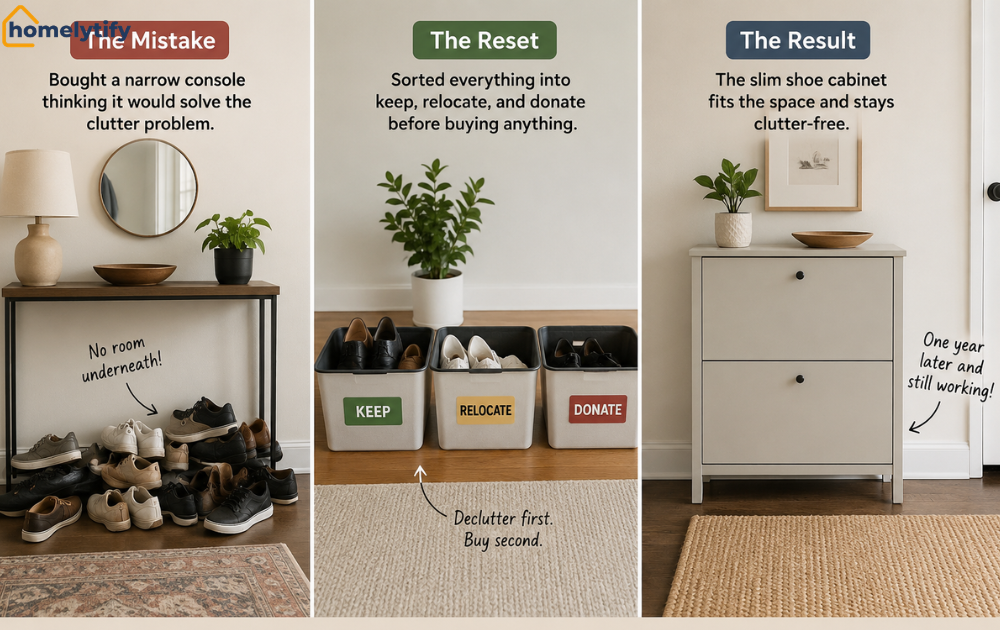
I learned this the hard way in my own place. I bought a narrow console table because it looked great online, only to realize once it was up against the wall that it didn’t have room underneath for the shoe pile that had been building up for months.
I ended up returning it and doing the reset first the second time around — sorting everything into keep, relocate, and donate before buying a single thing. That one change is why the slim shoe cabinet I bought afterward has held up for over a year without turning into another dumping spot.
How to Organize a Small Entryway Without a Closet?
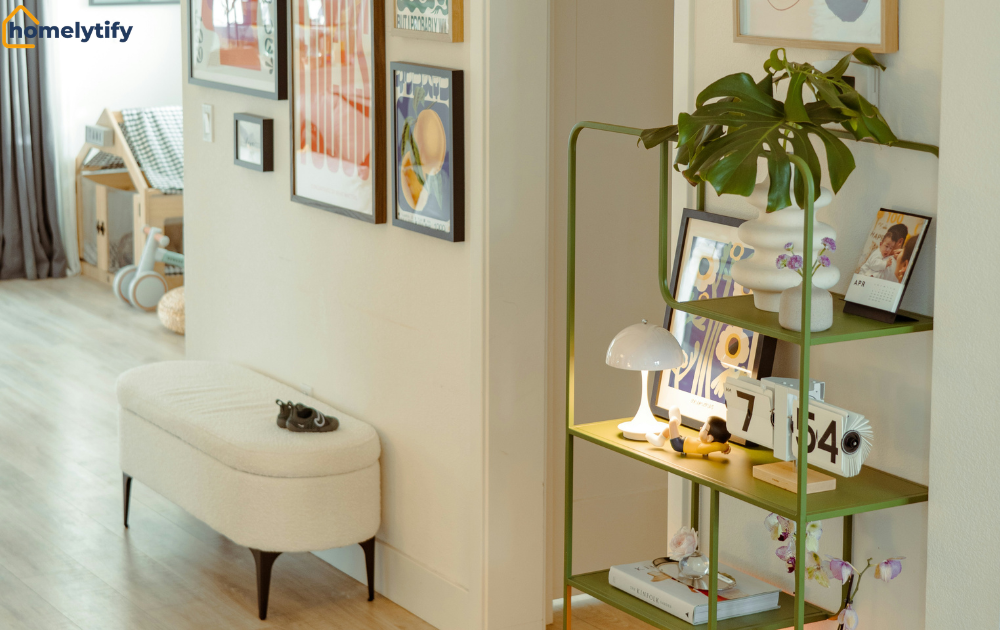
To organize an entryway without a closet, use wall-mounted storage instead of floor-based furniture: hooks for coats and bags, a slim shoe rack or cabinet, and a small shelf or ledge for keys and mail. Vertical storage frees up floor space while still giving every item a home.
If your foyer doesn’t have a closet, your biggest asset is the wall, not the floor. A narrow console table with a shelf underneath, a row of hooks at two different heights (one for adults, one for kids), and a slim shoe cabinet against the wall can replace 90% of what a closet would do. The key difference from a closet setup is that everything stays visible, so you have to be a little more intentional about keeping it tidy — but you gain a space that actually fits a tight footprint.
One thing competitors don’t mention enough: if you’re renting and can’t drill into the wall, look for tension-rod shelving units or adhesive-backed hook strips rated for at least 5 pounds per hook. They hold coats and bags just fine and come down clean when you move out.
Small Entryway Organization Ideas That Actually Fit
Not every idea works in every space, so the trick is matching the solution to your foyer’s actual shape and traffic, not just copying a Pinterest photo. Below are the three that make the biggest difference in the smallest footprints.
Wall Hooks Are Your Best Friend
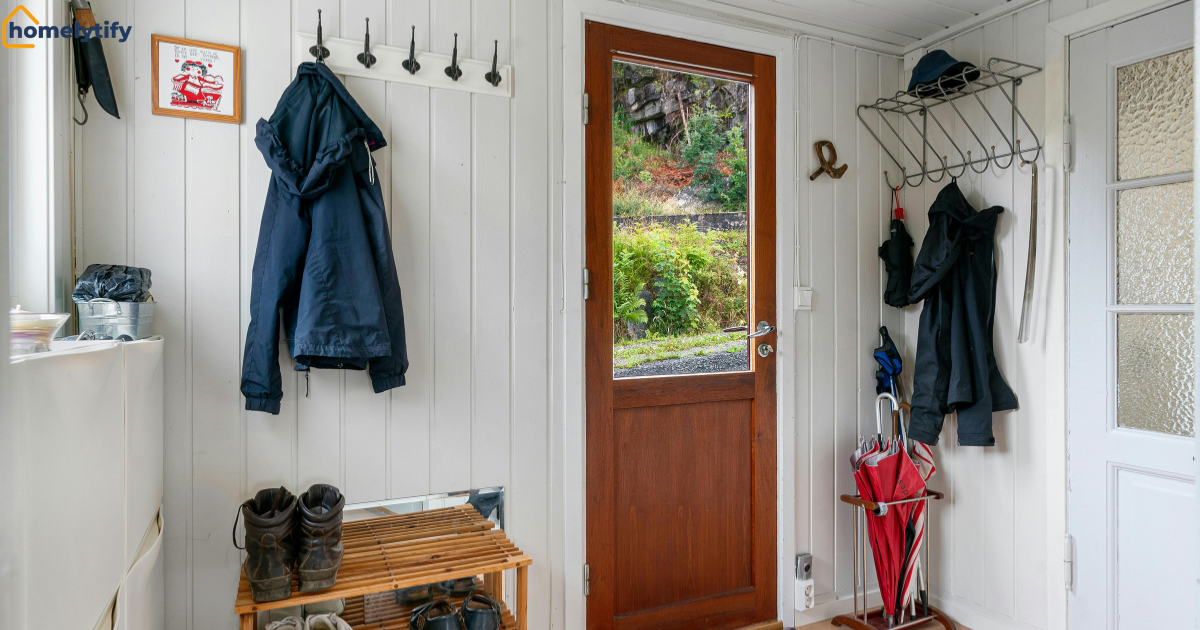
Wall hooks for entryway storage solve the number-one complaint I hear: coats and bags “just get thrown” somewhere. A row of five or six hooks, mounted at a height everyone in the house can reach, gives every coat, bag, and dog leash a specific spot. Mix hook heights if you have kids — a lower row means they’ll actually use it instead of dropping jackets on the floor.
An Entryway Bench With Storage Changes Everything
An entryway bench with storage does double duty: somewhere to sit while putting on shoes, and hidden storage underneath for the shoes themselves. Even an 18-inch-wide bench with a lift-up seat can hold four to six pairs of shoes out of sight. If floor space is too tight for a full bench, a narrow storage ottoman against the wall gives you almost the same function in half the footprint.
Entryway Baskets and Bins for the Stuff That Doesn’t Have a Home
Entryway baskets and bins catch the odds and ends that don’t fit neatly anywhere else — gloves, sunscreen, dog leashes, reusable bags. Label them if you share the space with a family; unlabeled bins tend to become junk drawers within a month. One basket per category works better than one giant bin for everything, because a giant bin turns into a place things go to disappear.
Solving the Shoe Pile: Entryway Shoe Storage That Works

Shoes are the single biggest source of front entrance clutter because they multiply fast, and nobody wants to walk them to a bedroom closet after a long day. The fix isn’t more space — it’s storage that’s easier to use than the floor.
A slim shoe cabinet (the kind that’s only 8 to 10 inches deep) fits against almost any wall without blocking a walkway. If floor space is truly zero, a hanging over-the-door shoe organizer on the back of a coat closet door works surprisingly well and costs under $20. For families, I’d skip the fabric shoe cubbies that look great in photos but sag within a few months — a stackable shoe rack in wood or metal holds its shape much longer and is worth the extra ten dollars.
A trick that doesn’t get mentioned enough: keep only the current season’s shoes in the entryway. Winter boots don’t need to sit out in July. Rotate seasonally and your shoe storage will always look like it has enough room, even in a genuinely tiny space.
What Should Be in an Entryway Drop Zone?
An entryway drop zone should hold only the items you touch every single day: keys, wallet, sunglasses, mail, and a charging spot for your phone. Anything used less than once a week doesn’t belong here — it just adds clutter to the busiest spot in your front hallway.
A small tray or shallow bowl on a shelf or console works better than a drawer for keys and wallets, because you can see at a glance if something’s missing before you leave the house. For mail, a simple wall-mounted file sorter keeps bills from turning into a paper pile on the floor. If you’ve got room for one more thing, a small charging station tucked in a drawer keeps cords from becoming part of the visual clutter.
Narrow Entryway Storage Ideas for Awkward Layouts
Narrow entryways — the kind that are basically a hallway with a front door — need furniture that’s shallow front-to-back, not necessarily short. A 6- to 8-inch-deep console or shoe cabinet can run along a wall without narrowing the walkway at all.
For entries under 30 inches wide, skip freestanding furniture entirely and build storage vertically instead:
- A pegboard mounted on the wall holds bags, hats, and even a small mirror without taking up any floor space.
- Floating shelves stacked above each other give you three storage zones in the footprint of one.
- A slim rolling cart tucked in a corner can hold shoes and be pulled out when needed, then pushed flush against the wall the rest of the time.
This is where most people get stuck: they assume a narrow space means fewer storage options, when really it just means going up instead of out.
Entryway Organization on a Budget: What’s Worth Buying
You don’t need a full renovation to fix a cluttered front entrance — a few well-chosen, affordable pieces solve most of the problem. Entryway organization on a budget comes down to prioritizing function over style for the first round of purchases, then upgrading the look later if you want to.
Here’s where I’d spend money first, based on what actually gets used daily versus what just looks nice in photos:
| Priority | Item | Approx. Cost | Why It’s Worth It |
| 1 | Wall hooks (set of 5-6) | $15–$25 | Solves the coat-and-bag pileup immediately |
| 2 | Slim shoe rack or cabinet | $30–$60 | Biggest visible clutter reducer |
| 3 | Small tray or bowl for keys | $10–$15 | Stops the “where are my keys” scramble |
| 4 | 2-3 labeled baskets | $20–$30 | Catches loose items without a drawer |
| 5 | Bench or storage ottoman (optional) | $60–$120 | Adds seating and hidden storage |
Notice the bench is last, not first. Most guides lead with furniture, but hooks and a shoe solution fix 80% of the daily mess for a fraction of the cost.
Mistakes That Keep Your Entryway Looking Messy
Even with the right furniture, a few habits quietly undo all your organizing work in the entrance area. These are the ones I see most often.
Buying furniture before measuring the actual walkway is the biggest one — a bench that looks perfectly sized online can end up blocking the door from opening fully. Always measure twice, including the swing of the front door, before you buy anything larger than a hook.
Another common misstep is storing off-season or rarely used items in the entryway “just for now.” That single decision is usually what turns a clean system back into clutter within a month. If it’s not used weekly, it doesn’t belong in this zone — find it a home elsewhere in the house.
Last one: skipping labels or designated spots for shared households. If everyone’s shoes and bags go into one unlabeled pile, no one takes ownership of keeping it tidy. Assigning a hook or basket per person, even in a two-person household, cuts down on the daily reset time significantly.
Maintaining It: The 2-Minute Habit That Keeps Clutter Away
Organizing a small foyer isn’t a one-time project — it stays clean because of a habit, not because of the furniture. The habit that actually works is a nightly two-minute reset: shoes back in their spot, coats on hooks, mail sorted into the file, keys in the tray.
I know “just put it away” sounds like the kind of advice that doesn’t help anyone. So here’s the specific version: pick one person to do a 90-second sweep of the entryway before bed, every night, no exceptions for a week. After seven days, it stops being a chore and starts being automatic, because the system you built above makes putting things away just as easy as dropping them on the floor.
Conclusion
A small foyer doesn’t need more square footage to work — it needs a system that matches how your household actually moves through the front door every day. Start with the 15-minute reset, add hooks and shoe storage before anything else, and keep the drop zone limited to items you touch daily.
Once that foundation is in place, the nightly two-minute habit is what keeps the space looking put-together instead of sliding back into a pile by the weekend. Pick one idea from this guide, set it up this week, and build from there — you don’t need to fix the whole entrance area in one afternoon to feel the difference.
Frequently Asked Questions
How do I organize a small entryway with no closet?
Use wall-mounted hooks, a slim shoe cabinet, and a small shelf for keys and mail instead of relying on closet space. Vertical storage does the same job a closet would without needing the floor space.
What’s the cheapest way to organize an entryway?
Start with a set of wall hooks and a basic shoe rack — together they cost under $50 and solve most of the daily clutter. Add baskets or a bench later once you know what else you actually need.
How many hooks should a small foyer have?
Plan for one hook per household member plus one or two extra for guests or bags. Most small entryways do well with five to six hooks mounted at mixed heights.
Where should shoes go in a small front entrance?
Shoes work best in a slim cabinet, stackable rack, or bench with hidden storage placed against a wall, out of the main walkway. Rotate seasonal shoes out to keep the space from overflowing.
How do I keep my entryway organized long-term?
A nightly two-minute reset — putting shoes, coats, and mail back in their designated spots — is what keeps an organized entryway from sliding back into clutter. The system only works if it’s paired with this small daily habit.