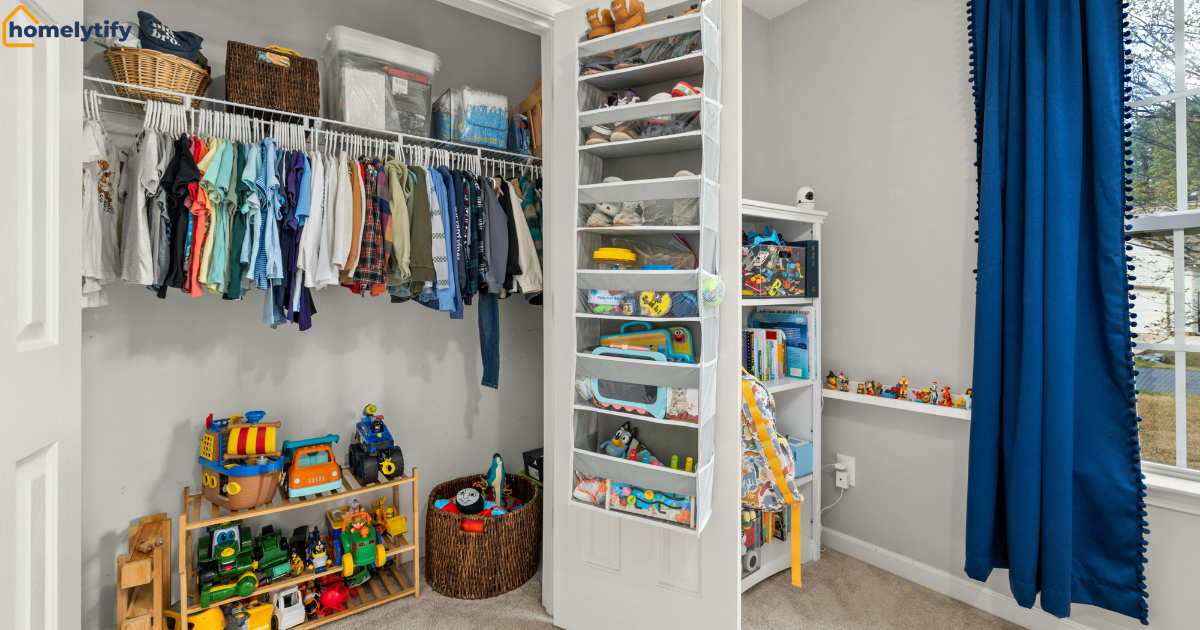
How to Organize Kids’ Clothes in a Small Closet: 15 Space-Saving Ideas (That Actually Work)
If you’ve ever opened your kid’s closet and had a pile of shirts fall on your head, you already know the problem. Figuring out how to organize kids‘ clothes in a small closet isn’t about buying more bins; it’s about making every inch of space do double duty. Most small kids’ closets aren’t messy because parents are lazy. They’re messy because the system inside them was never built for how fast kids grow and how much stuff actually needs to fit.
I didn’t write this guide from a textbook. My daughter’s closet used to be the one room in our apartment I avoided opening when guests were over. We live in a two-bedroom rental with zero built-in storage, so her “closet” was a single rod and one shallow shelf above it.
For almost a year, clothes ended up in a laundry basket on the floor because there was nowhere else for them to go. This guide skips the generic “declutter and donate” advice you’ve probably already read a dozen times.
Instead, you’ll get specific, real-world setups, the kind that hold up after the first week, not just on the day you finish organizing. By the end, you’ll have 15 practical ideas you can start using today, even if your closet is tiny, oddly shaped, or shared between two kids.
Why Kids’ Closets Get Messy So Fast (Even Right After You Organize Them)

Here’s where most people get stuck: they organize the closet once, and two weeks later, it looks the same as before. That’s not a discipline problem. It’s a design problem.
Kids’ closets fall apart fast for one simple reason: the system wasn’t built around how kids actually use it. A six-year-old isn’t going to fold a shirt and place it neatly on a high shelf. They’re going to grab the closest thing, and if that means digging through a bin, the bin gets dumped. Most small closet organization ideas fail because they’re designed for how adults think, not how kids behave.
The fix isn’t more storage. It’s storage placed at the right height, sorted in a way a child can actually follow, and simple enough that putting something away takes less effort than tossing it on the floor.
How to Organize Kids’ Clothes in a Small Closet: The Basic System First
Before you touch a single bin or hanger, you need a sorting system. Skip this step, and every space-saving idea after it will collapse within a month.
Sort Before You Store
Pull everything out. Every shirt, every sock, every random costume shoved in the back. Make three piles: keep, too small, and donate. This part is tedious, but it’s the only way to know how much space you’re actually working with.
I’ve seen closets that looked impossibly small simply because a third of what was in them no longer fit the kid.
Group by Category, Not by Outfit
Don’t organize by “Monday outfit, Tuesday outfit.” Group by type instead: all shirts together, all pants together, all pajamas together. This is how most closet organization for small spaces actually works in the long term, because it lets you see exactly what you have and gives your kid an easy way to find what they need without pulling everything else out.
15 Space-Saving Ideas for a Small Kids’ Closet
Once the basic sorting is done, these ideas help you stretch every inch of space without making the closet feel like a storage unit. In my own case, three of these changes (a second rod, slim hangers, and labeled bins) cost about $40 total and took one weekend, no renovation needed, so don’t assume this list requires a big budget.
1. Use Double-Hang Rods to Double Your Space
Kids’ clothes are short. A single full-length rod wastes most of the vertical space below it. Adding a second rod underneath the first instantly doubles your hanging space. This one change alone solves a huge chunk of small closet organization for kids.
2. Add a Second Lower Rod Kids Can Actually Reach
This isn’t just about space, it’s about independence. A rod at your child’s height means they can hang up their own jacket instead of leaving it on the floor. Toddler closet organization works best when the system meets the kid at their level, literally.
When I lowered a rod to knee-height for my four-year-old, she started hanging up her own cardigan after school without being asked, within a week, which surprised me more than anything else in this whole process.
3. Switch to Slim Velvet Hangers
Bulky plastic hangers eat up rod space fast. Slim velvet ones are thinner, grip clothes better, and free up several extra inches of hanging room, useful when you’re trying to fit a season’s worth of clothes into eighteen inches of rod.
4. Use Hanging Shelf Organizers for Folded Items
A canvas hanging organizer with five or six cubbies turns one section of the rod into a shelving unit. This is one of the most underused children’s clothes storage ideas, perfect for folded shirts, pajamas, or swimsuits without needing a dresser at all.
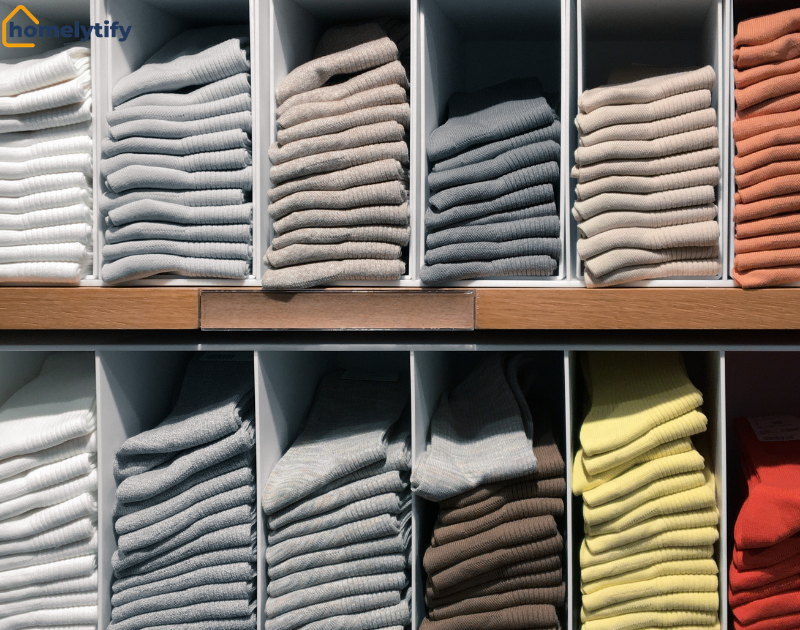
5. Try Bins Instead of Drawers
If you don’t have a dresser or built-in drawers, stackable bins on a shelf do the same job. Clear bins work best because your kid can see what’s inside without opening five containers first.
6. Label Everything (Even Before Kids Can Read)
Use picture labels, not just text, for younger kids. A small image of a sock on the sock bin means a three-year-old can put their own laundry away. This single habit cuts down on the “everything mixed” problem more than almost anything else on this list. It was the cheapest fix in my own closet redo, just stickers on three discount-store bins, and it’s the one my daughter responded to fastest.
7. Use the Floor Smartly with Stackable Bins
Floor space in a small closet is precious. Stackable bins (not loose baskets) let you build upward instead of spreading out. Shoes, accessories, and out-of-season clothes all work well here.
8. Hang a Shoe Organizer for Small Items

A clear, over-the-door shoe organizer isn’t just for shoes. Use it for socks, hair accessories, belts, or small toys that always end up loose on the closet floor. This is one of those space-saving closet ideas for kids that competitors rarely mention, but it solves a real daily frustration.
9. Rotate Clothes by Season
Don’t keep a full year’s wardrobe in the closet at once. Store off-season clothes in a bin under the bed or on a high shelf, and only keep what’s currently in rotation accessible. This alone can free up close to 30% of closet space.
10. Fold Using the File-Fold Method
Instead of stacking folded shirts (which collapses into one messy pile the second a kid grabs from the bottom), fold them so they stand upright, like files in a drawer. It takes a bit of practice, but it means your child can pull one shirt without disturbing the rest.
11. Use Closet Door Space
The back of the closet door is wasted real estate in most homes. A hanging pocket organizer here works well for hats, gloves, or other seasonal items that don’t need a permanent spot.
12. Add Hooks for Daily-Use Items
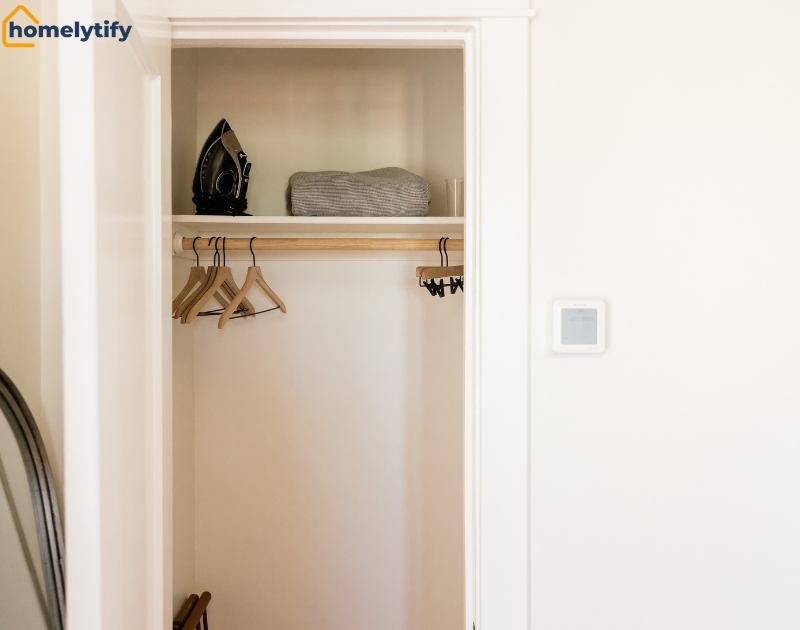
Backpacks, robes, and tomorrow’s outfit all do better on a hook than crammed onto a hanger. Low hooks specifically help kids hang up their own things without having to ask for help every time.
13. Use Drawer Dividers If You Have a Dresser Inside
If your closet includes a built-in dresser, dividers stop drawers from turning into a jumbled mess. This is especially useful for organizing kids’ clothes by category: socks, underwear, and pajamas each get their own lane.
14. Keep a “Too Small” Bin Going Year-Round
Instead of a big sorting session every six months, keep one bin in the closet specifically for clothes your kid has outgrown. Toss things in as you notice them. When the bin’s full, donate it. This keeps clutter from building up between major cleanouts.
15. Make the System Toddler-Friendly
If your child is old enough to get dressed independently, the system needs to work for them, not just for you. Lower rods, picture labels, and bins that they can actually open all matter more than how “Pinterest-perfect” the closet looks. The biggest lesson from redoing my own daughter’s closet wasn’t about storage products at all; it was realizing the whole space had to work for a four-year-old, not for me.
How to Organize Kids’ Clothes Without a Dresser
A lot of small bedrooms simply don’t have room for a dresser, and that’s where most guides fall short. If this is your situation, the closet has to do everything. This is exactly the setup we have in our rental, no built-in storage at all, so every idea below is one I’ve actually tested, not just researched.
Lean on hanging shelf organizers, over-the-door bins, and stackable floor containers to replace drawer space entirely. A six-cube hanging organizer can hold as much as a small dresser, without taking up any floor space in the room itself. Combine that with double rods for hanging items, and you’ve effectively built a dresser inside the closet, no extra furniture needed.
A recent home organization trends report also points out that with rising housing costs and more urban living, smaller homes and condos are becoming more common, which is making no-dresser, smart-storage setups like this one increasingly the norm rather than a workaround.
Common Mistakes Parents Make When Organizing a Small Kid’s Closet
Buying storage before sorting. It’s tempting to grab bins first and figure out the system later, but this usually means buying the wrong size or too many. Sort first, then buy only what you actually need.
Organizing for an adult’s height, not the kid’s. If everything’s on a high shelf, your child can’t participate, and the system falls apart because you become the only one maintaining it.
Overcomplicating the categories. Ten different bins for ten different item types sounds organized, but it’s too much for a young kid to follow. Keep categories broad and simple.
Skipping the seasonal rotation. Trying to fit a full year of clothes into one small closet at once is a losing battle. Rotate what’s accessible based on the season.
Ignoring vertical space. Most small closets have unused space near the ceiling. A single extra shelf up top for off-season storage frees up significant room below.
Conclusion
A small closet isn’t really the problem; it’s an unorganized system inside it. Once you sort properly, add a second rod, bring in a few bins your kid can actually use, and stop trying to fit a full wardrobe into one space at once, the clutter stops coming back. None of these ideas requires a renovation or a big budget; ours cost about $40 and a weekend. They just require setting the closet up to match how your kid actually gets dressed every morning. Pick three or four ideas from this list, start this weekend, and you’ll already notice the difference by next week.
Frequently Asked Questions
How do I organize a small kids’ closet with no dresser?
Use hanging shelf organizers, stackable bins, and a second lower rod to replace drawer space entirely.
What’s the best way to organize toddler clothes in a small space?
Keep categories simple, use picture labels, and place a rod at the toddler’s height so they can use it independently.
How often should I rotate kids’ clothes by season?
Every 3 to 4 months works for most climates; store off-season items in a bin on a high shelf or under the bed.
What size bins work best for kids’ closet organization?
Small to medium clear bins (around 10–16 quarts) work best since kids can lift and see into them easily.
How can I make my kid put their own clothes away?
Lower rods, picture labels, and simple categories make it realistic for kids to put things away without help.