Cheap Home Organization Hacks for Small Homes That Actually Work
Cheap home organization hacks for small homes are not about buying the perfect bin or finding the trendiest storage solution online. They are about making fast, smart decisions with what you already have.
If you have ever cleaned your apartment from top to bottom, felt good about it for two days, and then watched the clutter silently rebuild itself by the end of the week, you are not doing it wrong. The system is wrong. Or more accurately, there is no system.
Small homes have almost no margin for clutter. One pile on the counter and the kitchen feels chaotic. One chair is piled with clothes, and the bedroom feels impossible. The same problem that would go unnoticed in a larger home becomes immediately visible and overwhelming in a small one.
This guide gives you practical, budget-conscious organization hacks that work specifically in small spaces, room by room, in order of impact, with realistic costs and honest guidance on what actually lasts versus what looks good in photos for about a week.
Why Small Homes Feel Cluttered Even After Cleaning
Cleaning and organizing are two completely different things. Most people do one and expect the result of the other, then wonder why nothing changes.
Cleaning removes dirt. Organizing assigns homes to items so they stop landing on random surfaces. You can scrub a small apartment until it shines, and it will still feel cluttered if nothing has a designated place. This is the core problem most people are trying to solve without quite realizing what they are actually trying to solve.
The Hidden Reason Clutter Keeps Coming Back
Clutter returns because items do not have specific homes or their homes are inconvenient enough that putting things away requires more effort than leaving them out.
This is not a motivation problem. It is a friction problem. If returning something to its place requires opening two drawers, moving three other things, and remembering which section it belongs in, it is not going back there. It is going on the counter—every single time.
The fix is not more discipline. It is removing the friction. I realized this when I noticed that the one drawer I always kept tidy was the one right next to where I used the most things. Everything else in the kitchen ended up on the counter, not because I was lazy but because putting it away required walking across the room.
The moment I moved the most-used items closer to where I actually used them, the counter stayed clear without me thinking about it. The effort did not change. The distance did. When the home for an item is obvious, accessible, and easy to use, things get returned automatically. That is the core principle behind effective small-space organization.
What Most Organizational Advice Gets Wrong
Most home organization content assumes you have money, time, and an empty room to start from scratch. Real small home organization happens in the five minutes between work and dinner, with three dollars left in the budget, surrounded by stuff that has nowhere obvious to go.
The advice that sells matching bins, label makers, and beautiful drawer organizers is designed for the result photo, not the process of getting there. It also skips the step that actually changes everything: reducing the total volume of items before organizing what remains.
Organizing too many things is just moving clutter from one place to another. Until that number comes down, no product or system will hold.
The First Thing to Do Before Buying Any Organizer
This is the section most people skip, and the reason most organizational projects fail within two weeks. Before buying a single bin, basket, or hook, you need to deal with the volume problem.
More storage for too many items does not create an organized home. It creates an organized version of the same problem, temporarily contained, before it overflows again.
The 15-Minute Zone Method
Pick one zone, not one room, one zone. The kitchen counter. The bathroom cabinet. The area beside the front door. Set a timer for fifteen minutes and deal only with that zone.
Pull everything out. Sort into three groups: keep, remove, and belong elsewhere. Do not overthink the keep pile. If you have used it in the past year and it belongs in this room, it stays. Everything else leaves.
The zone method works because it is complete. Most organizational attempts fail because they start too big, run out of energy, and leave the home more disrupted than before. Fifteen minutes in one zone is finishable in a single session. That finish matters more than it sounds. Completed areas build the momentum to continue.
How to Decide What Actually Stays
The one-year rule is the most practical filter for small home decluttering: if you have not used it in the past twelve months and cannot name a specific upcoming occasion for it, it goes.
The exception is genuinely seasonal items: winter clothing in summer, holiday decorations that can be stored out of prime real estate. Everything else that has not been touched in a year is occupying space you need for daily life.
The harder category is duplicate items. Most small homes have three things; they only need one of spatulas, scissors, USB cables, phone chargers for old phones, or cleaning products that all do the same job. Duplicates are clutter in disguise. Keep the best version of each. Let the rest go.
Cheap Home Organization Hacks for Small Homes, Room by Room
Once volume is under control, the next step is specific solutions for each room. Generic advice applies nowhere. Room-specific hacks address the actual problems each space presents.
Kitchen Hacks That Create Space Without Spending Much
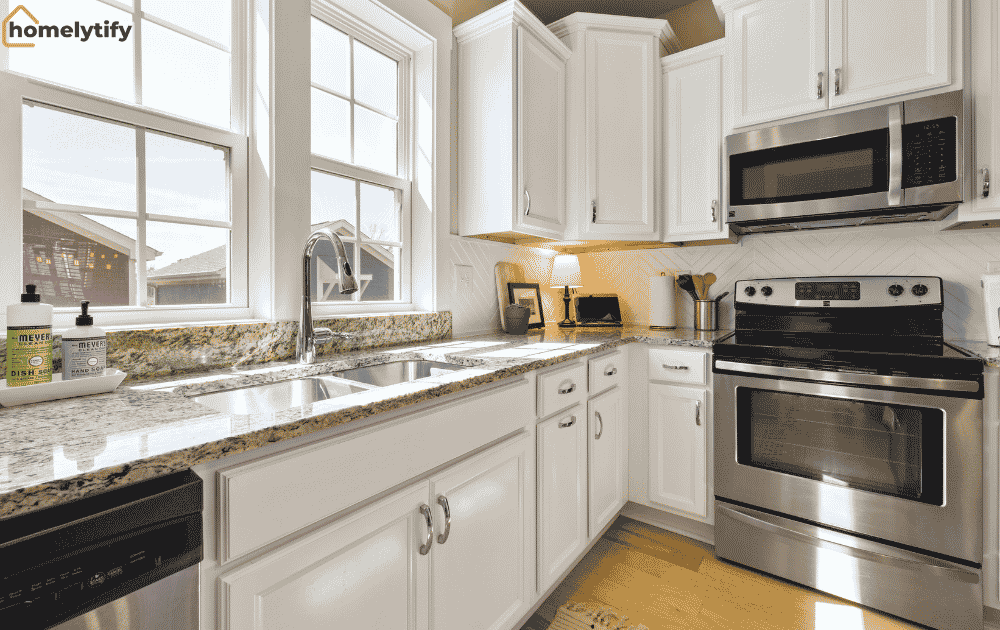
The kitchen is the hardest room in a small home because it operates under daily pressure and has the most categories of items competing for the least space.
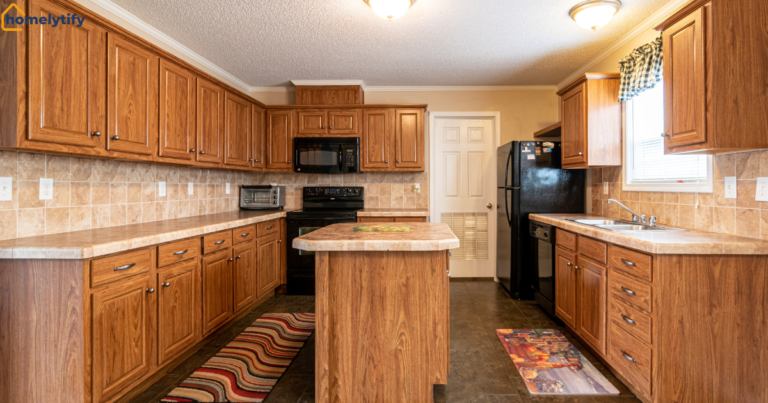
The tension rod under-sink trick: A tension rod stretched horizontally inside the under-sink cabinet holds spray bottles by their triggers. The floor of the cabinet previously blocked by bottles opens up for larger items. This one change typically doubles functional under-sink capacity. Cost: three to five dollars for the rod, or free if you have one from anywhere else in the home.
Vertical pan storage: Baking sheets, cutting boards, and pot lids stored flat in a pile require moving everything to reach the one at the bottom. A tension rod placed vertically in a base cabinet creates individual slots for each item. Pull out the one you need without disturbing anything else. Cost: same as above.
Cabinet door space: The inside of cabinet doors is unused storage in most small kitchens. Adhesive hooks here hold measuring cups, oven mitts, aluminum foil boxes, and plastic wrap. A slim over-door organizer holds pot lids, snack bags, or spice packets. Cost: two to eight dollars.
Fridge side storage: The side of a refrigerator that faces open space is usually completely bare. A magnetic spice rack or adhesive hooks here hold spices, a paper towel holder, or small items that would otherwise crowd the counter. Cost: five to fifteen dollars, or free with Command strips and what you already own.
Counter rule: Only items used every single day earn counter space. The coffee maker earns it. The blender used once a week does not. Moving infrequently used appliances to a cabinet recovers the most visible counter real estate without spending anything.
Bedroom Storage Tricks That Cost Almost Nothing
The bedroom accumulates clutter through three predictable channels: clothes that did not make it back to the closet, items that have no home elsewhere in the apartment, and surfaces that became default landing spots.
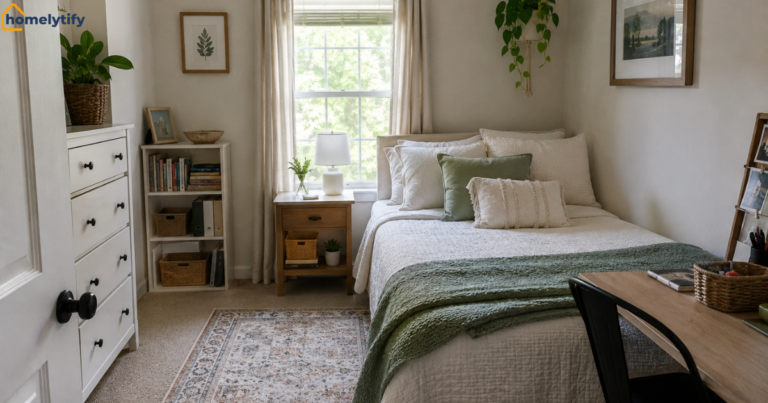
Under-bed storage: The space under a bed is the largest untapped storage area in most small bedrooms. Flat bins in the three-to-five-inch height range hold seasonal clothing, extra bedding, and rarely worn shoes.
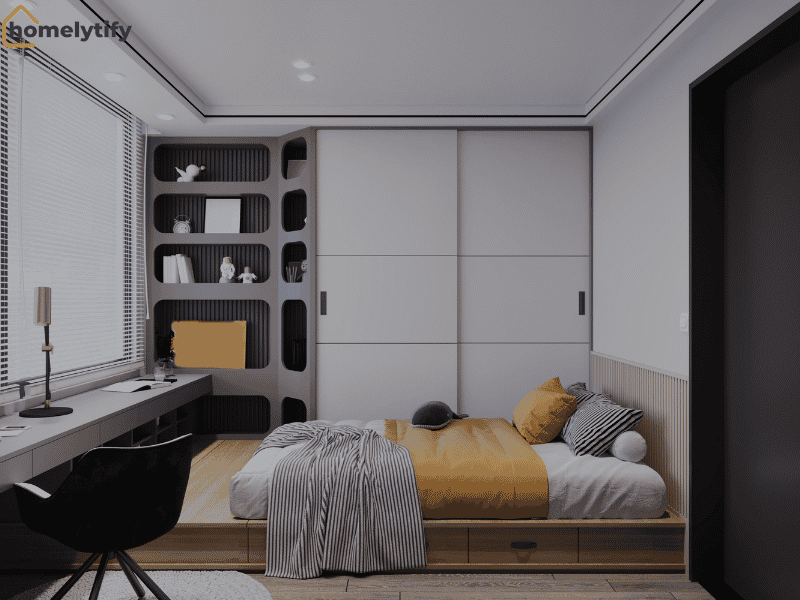
Measure clearance before buying heights vary between frames. If clearance is minimal, eight-dollar bed risers create four to six inches of new space.
Label every bin before sliding it under. Without labels, under-bed storage becomes the place where things disappear indefinitely.
The chair problem: Almost every small bedroom has a chair that has stopped being a chair and has become a horizontal storage unit for clothes in the in-between state, worn but not ready for the laundry. Fix this with a hook rail on the back of the bedroom door. Items that were landing on the chair now have a designated spot that is easier to use than the chair. Cost: five to fifteen dollars for a hook rail, or free with Command hooks.
Double hanging rod: In the closet section where shorter items hang, such as shirts, jackets, and blazers, the space below is usually empty. A second tension rod installed there doubles the hanging capacity. It takes ten minutes. Costs eight to twenty-five dollars, depending on rod length.
Drawer organization without purchasing organizers: Cut shoeboxes to the depth of your drawers and arrange them as dividers. Categories stay separated. Items stop migrating to wherever there is space. The drawer stays organized without requiring daily effort to maintain. Cost: zero.
Bathroom Tiny Space, Big Solutions
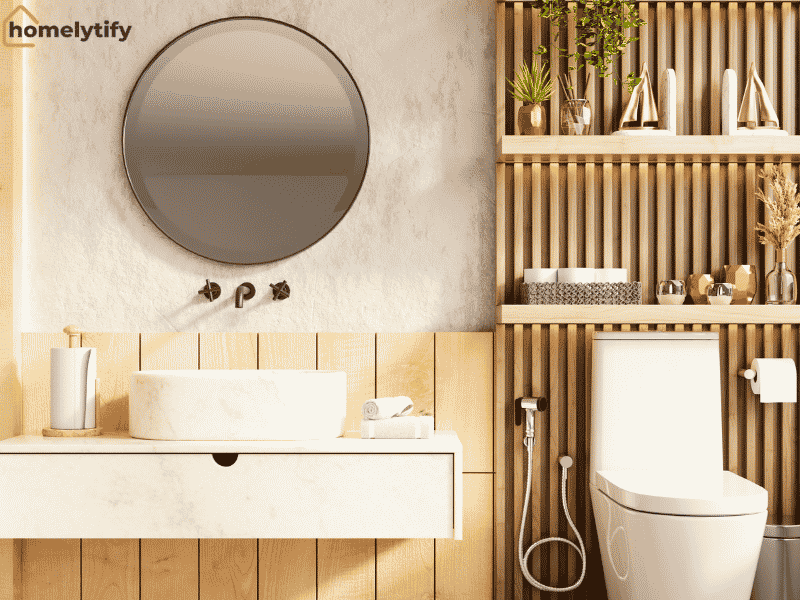
Rental and small-home bathrooms are almost universally under-designed for storage. A small vanity, a medicine cabinet with minimal capacity, and a counter that becomes a catch-all within two days of clearing it.
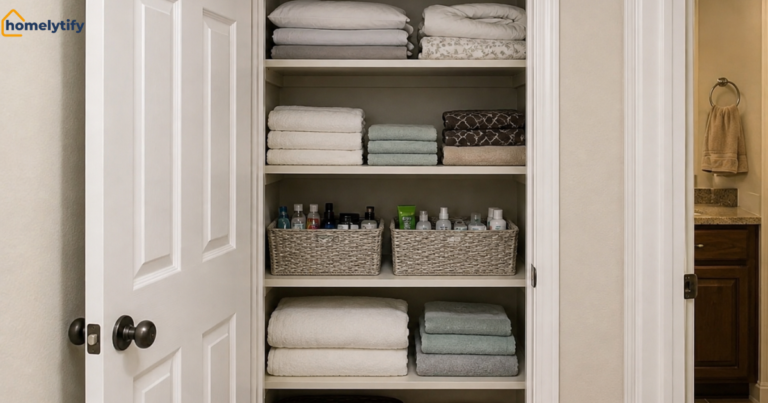
Over-toilet freestanding shelf: A freestanding shelf unit that sits on the floor and spans the toilet tank adds three to four levels of storage in a footprint that was previously empty.
No drilling. No damage. Holds toiletries, extra towels, toilet paper, and cleaning supplies.
Cost: twenty to forty dollars secondhand, forty to eighty new. One of the highest-value purchases available for small bathroom storage.
The counter tray rule: A single tray on the bathroom counter defines exactly what lives there permanently. Whatever fits in the tray stays. Everything else lives in a cabinet or a drawer. This one rule: a tray with a fixed capacity keeps bathroom counters clear without any ongoing effort. Cost: zero if you repurpose a tray from another room.
Inside cabinet door: Adhesive hooks or a slim magnetic strip on the inside of the vanity door hold hair dryers, flat irons, tweezers, nail clippers, and bobby pins. Items that were scattered across the counter and three different drawers are consolidated into one accessible location. Cost: two to eight dollars.
Shower tension rod: A second tension rod installed inside the shower creates an extra hanging level for loofahs, washcloths, and a small caddy. Removes items from the edges of the tub. It takes five minutes. Cost: three to five dollars.
Living Area: Taming the Most Visible Clutter Zone
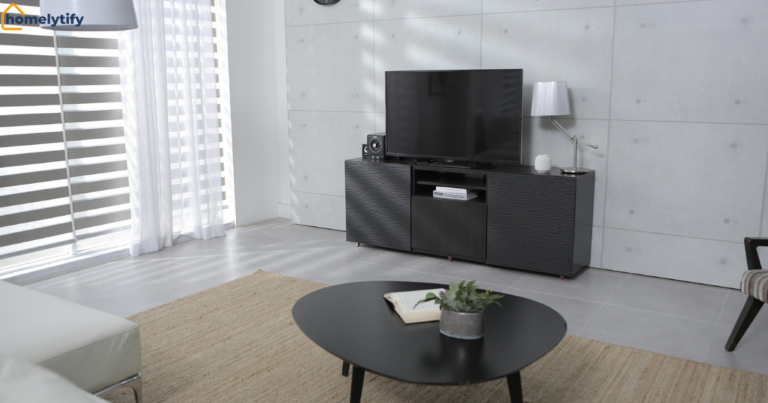
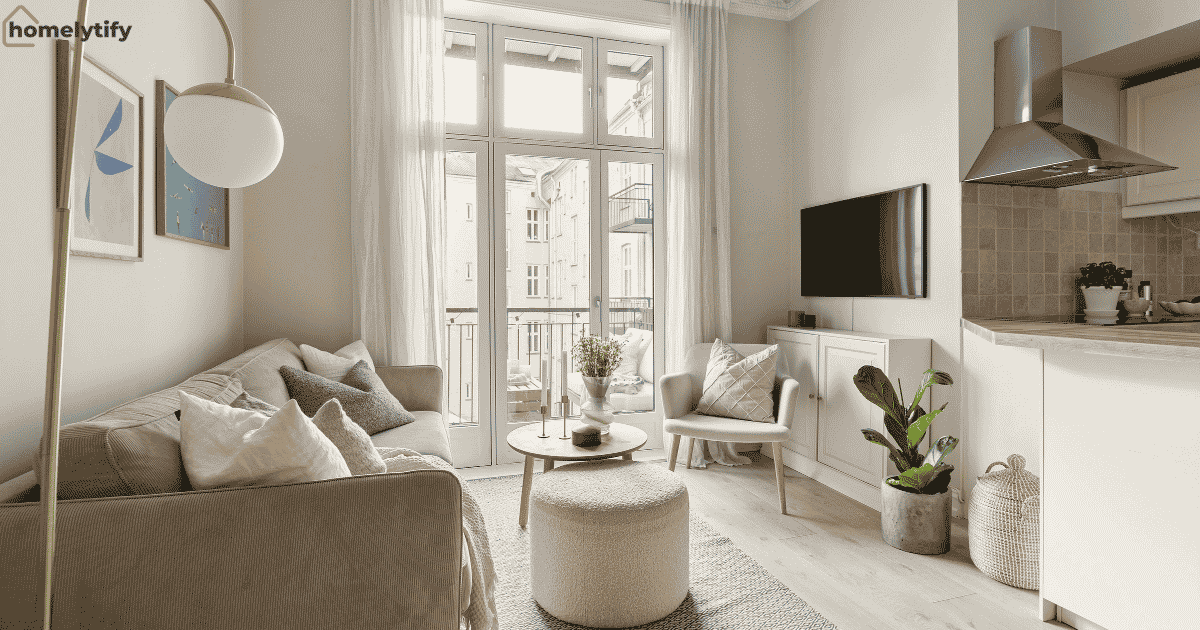
The living area gets messier faster than any other room because it serves multiple purposes. Relaxing, entertaining, kids playing, working, and the general landing zone for anything entering the home.
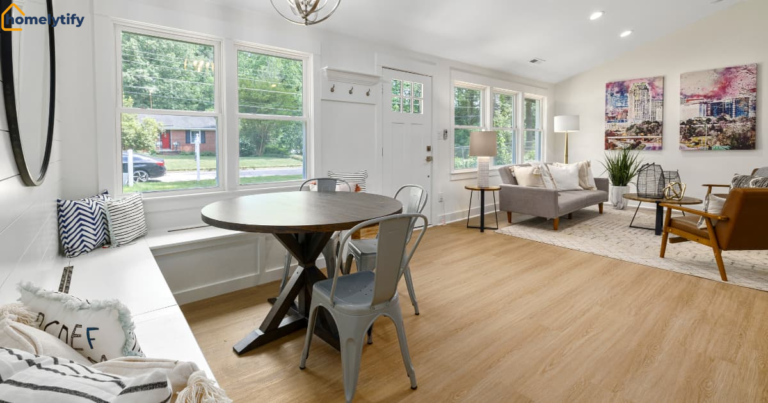
The lidded basket rule: A basket with a lid near the main seating area handles daily drift remotes, charging cables, the book you are reading, and things that cycle through daily use. The lid keeps it from looking like a clutter collection.

One contained space for daily mess prevents it from spreading across all surfaces. Cost: ten to twenty-five dollars, or free if you repurpose an existing container.
Coffee table storage: If you ever replace your coffee table, choose one with a lower shelf or internal storage. If you have the current one, a tray on top defines the permanent surface items: coasters, a candle, and one or two deliberately chosen objects. Everything else comes off. A tray with clear limits keeps the most-used surface in the living area consistently clear. Cost: zero.
Vertical bookcase as a room divider: In a studio apartment or open-plan small home, a tall bookcase placed perpendicular to a wall creates a room divider that also adds five to six levels of storage. It defines zones without walls and organizes items without taking floor space from either zone. Cost: Secondhand bookcases cost ten to forty dollars.
DIY Storage Solutions Using Items You Already Own
The most effective and most satisfying home organization wins are the ones that cost nothing because they use what is already in the home differently.
Before spending money on any storage product, spend thirty minutes walking through your home and looking for items that could serve a storage function somewhere else.
Repurpose Before You Buy
Shoeboxes as drawer dividers: Cut to fit, arranged to create sections, they organize kitchen drawers, bathroom drawers, and desk drawers better than many purchased organizers because they are sized exactly for the specific contents.
Mason jars as bathroom and kitchen storage: Cotton rounds, hair ties, pens, cooking utensils, and small kitchen tools all fit in jars. A row of jars on a bathroom shelf or kitchen windowsill creates visual consistency that makes the space feel more organized, even when the volume has not changed.
Ladder as a shelf unit: An old wooden ladder leaning against a wall provides four to five levels of open storage for books, baskets, and folded items. No mounting required. Moves when needed.
Wine rack as towel holder: A wine rack in the bathroom holds rolled towels in individual slots. Takes up less floor space than a shelf, displays towels in an accessible way, and repurposes something that may be sitting unused elsewhere in the home.
Cereal boxes as file organizers: Cut the top at a diagonal angle and cover with contact paper or leftover wrapping. They hold magazines, files, mail, and paperback books upright on a shelf. Free from any grocery purchase.
Dollar Store Finds That Punch Above Their Price
Tension rods: Available at most dollar stores, they perform identically to brand-name versions for the applications in this guide. One three-dollar tension rod handles the under-sink hack and immediately recovers meaningful storage space.
Clear bins and baskets: Structurally identical to twenty-dollar versions from home goods stores for drawer and pantry organization. Clear matters more than brand; the whole point is seeing the contents without opening them.
Adhesive hooks in multipacks: Handle lightweight applications, cabinet door storage, back-of-door hooks, side-of-fridge holders at a fraction of the cost of brand-name alternatives. Always check the weight rating before buying and stay within it.
Small trays: Dollar store trays define counter surfaces and drawer sections effectively. They are not decorative purchases; they are organizational tools that create visual limits on what can accumulate in any given space.
Cheap Home Organization Hacks for Small Homes on Zero Budget
Not every storage problem requires spending money. Some of the highest-impact changes available in a small home cost nothing at all.
Free Fixes That Make the Biggest Visual Difference
Clearing the floor completely: Floor clutter in a small home visually compresses the space more than any other type of clutter. Items on the floor, bags, shoes, laundry, and boxes make a small room feel dramatically smaller. Moving them off the floor, even temporarily into a bin, changes how the space reads immediately.
Reducing counter surfaces to intentional items only: Every item that is not used daily comes off the counter. This costs nothing and creates a more visible workspace than any organizer could. The psychological effect of a clear counter in a small kitchen is immediate and significant.
Folding clothes vertically: Storing clothes standing upright in drawers rather than flat and stacked doubles drawer capacity without removing a single item. Every shirt, pair of jeans, and folded item becomes visible at a glance. Drawers that were overflowing have room to spare. Zero cost. Visible result within ten minutes.
Rearranging as a Storage Strategy
Most furniture arrangements in small homes are accidents. Things landed somewhere when they were first brought in and stayed there without further thought.
Moving furniture costs nothing and can meaningfully change how a space functions. A bookcase moved from one wall to another may uncover a usable corner. A sofa pushed back six inches may open floor space that makes the room feel cramped. A desk rotated ninety degrees may reveal wall space that works perfectly for a small shelf.
Spend thirty minutes trying at least one different arrangement before concluding that a room cannot be improved. The combination of different furniture placement and cleared surfaces consistently makes small rooms feel larger without a single purchase.
Common Mistakes That Make Small Homes Feel Worse
These mistakes are extremely common because they feel productive in the moment. Understanding them prevents repeating what has not worked before.
Buying storage products before decluttering. The most expensive and least effective approach. Storage purchased for too many items organizes clutter without solving the volume problem. Six months later, the system is overwhelmed. Declutter first. Every time.
Organizing by category instead of by location. Grouping everything into categories, all cleaning supplies together, all baking items together, sounds logical until daily use reveals that you walk across the kitchen repeatedly for items you use together. Organize by where things are used, not just what they are. Baking supplies near the mixing area. Coffee supplies near the coffee maker.
Using open storage for chaotic categories. Open baskets and shelves look organized when they contain a few intentional items. They look like controlled chaos when they hold everything that does not have somewhere better to go. Closed storage drawers, lidded bins, and cabinet doors maintain organization with significantly less daily effort in real living conditions.
Storing infrequently used items in the most accessible spots. Prime real estate in a small home: the most visible shelf, the easiest-to-reach drawer, the front of a cabinet should hold the items used daily. Seasonal items, occasional-use tools, and sentimental objects stored in prime locations push daily-use items into inconvenient spots where they never get put back properly.
Setting up systems that require too much maintenance. A system that works perfectly only when you have full energy and unlimited time is not a functional system. Every organization system in a small home should pass one test: can I maintain this on a tired Tuesday after a long day? If not, simplify it until it can.
How to Keep a Small Home Organized Without Constant Effort
The gap between a small home that stays organized and one that requires a full reset every two weeks is almost always two habits and nothing else.
But before the habits, it helps to understand why staying organized actually matters beyond aesthetics. A 2025 study published in the Journal of Environmental Psychology found that home clutter directly predicted more negative feelings, lower life satisfaction, and reduced mental well-being in adults from the general population.
In a small home, where clutter is more immediately visible and harder to ignore, this effect is amplified. Staying organized is not just a visual preference. It is a genuine quality-of-life decision.
The first habit is the one-touch rule. The moment something is picked up or enters the home, it goes directly to its designated location. Not on the counter to deal with later. Not on the chair until after dinner. Directly away. This habit, practiced consistently for two to three weeks, becomes automatic and eliminates most daily accumulation before it starts.
The second is a ten-minute evening reset. Not a cleaning session. A reset. Walk through the home, return anything out of place to its designated spot, clear the main surfaces, and deal with anything that has drifted since the morning. Ten minutes in a small home covers significant ground. This prevents the slow drift that undoes organizational work within days of completing it.
Add a monthly check-in — twenty minutes reviewing one area that tends to accumulate clutter — and the system maintains itself indefinitely without ever requiring a major reorganization session.
The systems that fail are the ones built for perfect conditions. Every organizational habit in a small home should pass one honest test: can you maintain this on a tired Tuesday after a long day? If not, simplify it until you can. The one-touch rule and the evening reset both pass that test easily, which is exactly why they hold.
Conclusion
A small home organization does not require expensive products, a free weekend, or a complete overhaul. It requires three things done in the right order.
Reduce the volume of what the home is holding. Assign every remaining item a specific, logical, accessible home. Build two simple daily habits that return things to those homes consistently.
The cheap hacks in this guide are tools for step two. None of them works as well without step one. And none of them lasts without step three.
Pick the room that bothers you most. Spend fifteen minutes on one zone in that room today, not the whole room, one zone. Finish it. Notice how a single finished area changes how the rest of the room feels.
Build from there. One zone at a time. One room at a time. The results compound faster in a small home than most people expect.
Frequently Asked Questions
What are the cheapest home organization hacks for small homes?
The cheapest hacks include tension rods under the sink to hang spray bottles, shoeboxes cut as drawer dividers, folding clothes vertically to double drawer space, adhesive hooks inside cabinet doors, and a tray on the bathroom counter to limit surface clutter. Most cost under five dollars or nothing at all.
How do you organize a small home on a tight budget?
Declutter before buying anything; reducing volume creates more space than any storage product. Then repurpose what you already own: mason jars for bathroom storage, shoeboxes as drawer dividers, spare tension rods as cabinet organizers. Only buy specific products after identifying gaps that free solutions cannot fill.
What should I organize first in a small home?
Start with the highest-impact visible areas: the kitchen counter, the bathroom counter, and the area beside the front door. These three zones affect how the entire home feels and give the fastest visible results. Use the fifteen-minute zone method: one zone at a time, finish it before moving on.
How do you keep a small home organized without constant cleaning?
Two habits make the biggest difference. The one-touch rule: everything goes directly to its home when picked up. And a ten-minute evening reset that returns the home to its organized baseline before the next day starts. These two habits take under fifteen minutes daily and prevent the slow accumulation that requires major reorganization every few weeks.
What DIY storage ideas work for renters in small apartments?
Tension rods inside cabinets, over-door organizers, adhesive hooks, freestanding ladder shelves, and over-toilet freestanding shelf units all work without drilling or wall damage. They remove cleanly when you leave and can be reconfigured as your storage needs change.