
How to Organize Bathroom Drawers and Counters in Small Spaces
If you’ve ever opened a bathroom drawer and had to dig past three half-empty lotion bottles just to find a nail clipper, you already know the problem. Learning how to organize bathroom drawers and counters isn’t about buying more bins — it’s about building a system small enough actually to maintain.
Most small bathrooms don’t lack storage. They lack a plan for what goes where and why. In the next few minutes, you’ll get a system that works even in a 4-drawer vanity or a rental with zero cabinet space, plus the small mistakes that quietly undo all your effort.
Why Small Bathroom Storage Falls Apart So Fast
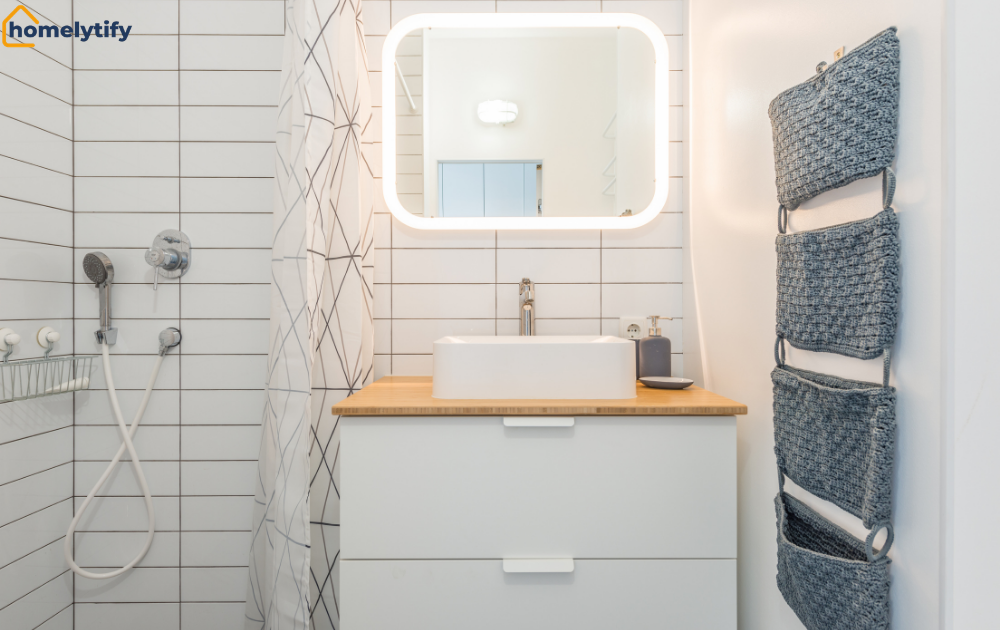
Small bathrooms get messy faster than any other room in the house, and it’s not really about space. It’s about how many people share one sink and how often products get used and tossed back without a home to return to.
Here’s where most people get stuck: they buy storage bins before they’ve decided what actually belongs in the bathroom at all. A bin doesn’t fix a drawer full of dried-out nail polish and three toothbrushes from hotel stays. It just hides the problem for a week or two.
Shared bathrooms make this worse. If two or three people are grabbing from the same drawer every morning, whatever system you build has to survive rushed, half-awake hands — not just a calm Sunday afternoon when you set it up.
This isn’t just a tidiness preference, either. A 2021 study in the Journal of Environmental Psychology, led by researchers Caroline Rogers and Dr. Rona Hart, surveyed over 1,000 participants.
They found that self-reported clutter was a strong predictor of overall wellbeing. How cluttered a space felt mattered more than how much stuff was technically in it.
That’s a useful reframe for a bathroom specifically: a single overflowing drawer you open every morning can feel more stressful than an entire closet you’ve simply decided not to think about.
The 10-Minute Declutter That Has to Happen First
A real bathroom declutter takes about 10 minutes per drawer if you sort as you go: pull everything out, toss expired or empty items immediately, and only put back what you’ve actually used in the last two months. Skipping this step is the number one reason organizers stop working within weeks.
Set a timer if you need to. Bathrooms are full of “maybe someday” items — half-used self-tanner, a curling iron you switched out for a different one, sample-size skincare from three years ago. They eat up space that your daily essentials need.
A few things to check while you’re at it:
- Medicine cabinets or drawers: check expiration dates on painkillers, allergy medicine, and prescriptions. Anything expired goes.
- Makeup: mascara and liquid eyeliner expire in 3-6 months even if they look fine.
- Half-used skincare: if you haven’t touched it in two months, it’s not part of your routine anymore; it’s just taking up drawer space.
- Duplicate tools: most people own two or three of the same nail clipper or tweezer set without realizing it.
Once the drawer is empty, wipe it down before anything goes back in. Bathroom drawers collect a surprising amount of dust and stray hair, and organizing a dirty drawer just means you’re arranging clutter instead of removing it.
How to Organize Bathroom Drawers and Counters So Everything Has a Home
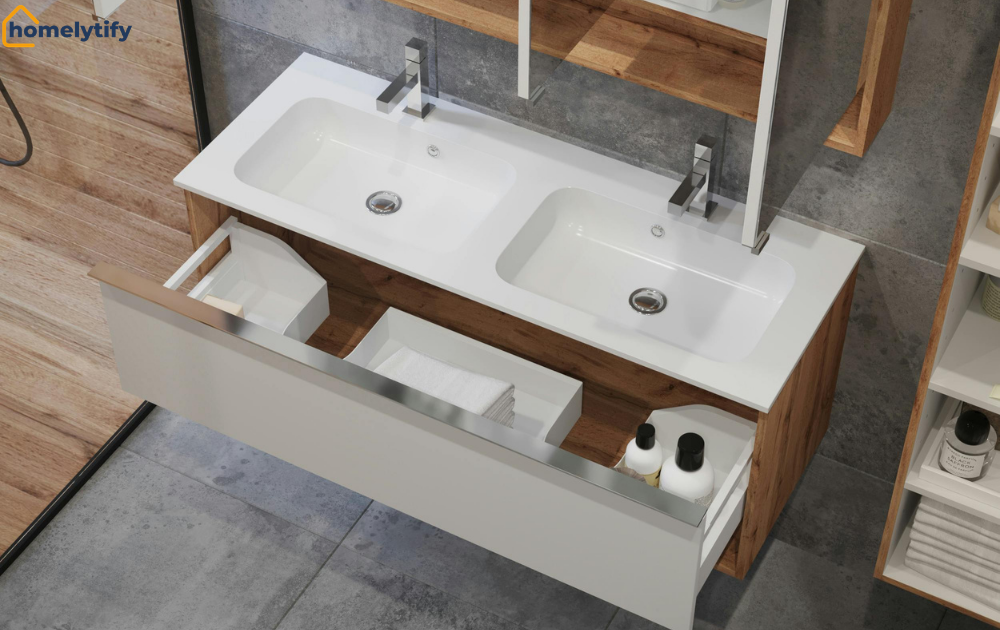
Once the decluttering is done, the real work of organizing bathroom drawers and counters comes down to two things: grouping items by how often you reach for them, and choosing containers sized for your actual drawers, not a showroom vanity.
Zone Your Drawers by How Often You Actually Use Things
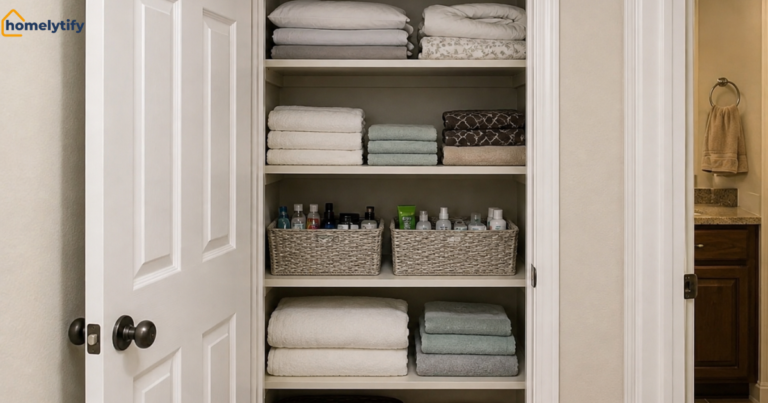
Think of your drawers in three tiers instead of by product type. Daily essentials: toothbrush, floss, deodorant, basic skincare, go in the top drawer or the one closest to standing height, so you’re not bending down every morning. Weekly items like hair tools, face masks, or shaving supplies go in the middle. Backstock and occasional-use items — extra razors, travel toiletries, seasonal products — go in the bottom drawer or a bin under the sink.
This matters more in small bathrooms than big ones, because you don’t have the luxury of a linen closet down the hall to absorb the overflow. Every inch is doing double duty.
If you’re organizing a shared bathroom, consider splitting drawers by person instead of by category once you’ve got more than two people using the same space. It sounds simple, but it’s one of the biggest reasons shared drawers stay messy — nobody feels ownership over a “general” drawer, so nobody maintains it.
Pick Organizers That Fit Small, Shallow Drawers (Not Pinterest Drawers)
Most bathroom drawers are shallower than kitchen drawers, which means the tall, deep bins you see in home organization photos usually won’t close the drawer at all. Measure your drawer depth before buying anything.
For shallow drawers, look for:
- Acrylic organizers under 2 inches tall for things like cotton swabs, hair ties, and bobby pins
- Drawer dividers that adjust to your exact width instead of leaving gaps, so items slide into
- Small trays to corral loose items so they don’t roll to the back when the drawer opens and closes
For deeper drawers, stackable bins let you use vertical space without things toppling every time you open them. I’ve found that clear containers genuinely do make a difference here — not for looks, but because you stop opening three bins to find one item, which is the exact habit that causes drawers to go messy again.
If you’re storing hair tools like straighteners or curling irons, a heat-safe pouch or a drawer with a bit of extra clearance up front matters more than a fancy organizer. Cords are usually what wreck an otherwise tidy drawer.
What’s the Best Way to Organize a Small Bathroom Counter?
The best way to organize a small counter is to limit it to items used every single day, group them on one tray or organizer, and store everything else in a drawer, basket, or cabinet. A counter with fewer than five items visible reads as clean even in a tiny bathroom, while a crowded counter looks cluttered no matter how tidy each item is.
This is the part most guides skip, and it’s honestly where small bathrooms live or die. A counter isn’t storage — it’s a staging area. Anything that sits out permanently should earn its spot by being used daily.
A simple way to test it: pick up everything on your counter right now and ask if you used it today. If not, it goes in a drawer or basket. What’s left is your actual daily counter setup.
From there:
- Group by task, not by size. Skincare together, oral care together, hand-washing items together. A tray with three items looks intentional; the same three items scattered across the counter look like clutter, even though it’s identical stuff.
- Use a tray as a boundary, not just decoration. A tray gives your eye a visual stopping point and makes wiping the counter down a 5-second job instead of moving ten bottles one at a time.
- Keep the sink splash zone empty. Nothing should sit directly around the faucet. Water pools there, and it’s the fastest way to ruin a wood tray or rust a metal one.
- Store toothbrushes upright, not lying flat. A wet toothbrush lying on a wet counter is a hygiene issue as much as a clutter one.
If your counter is genuinely tiny, think 18 inches or less of usable space, a single small tray plus a soap pump is often all it can handle without looking overloaded. Wall-mounted or over-the-toilet storage is where the rest should go, which we’ll get into next.
Bathroom Storage Without Cabinets or Drilling (For Renters and Small Spaces)
If your bathroom has no cabinets, no medicine drawers, and a lease that says no holes in the wall, you’re not out of options — you’re just working with a different toolkit. Damage-free bathroom storage has come a long way from the flimsy suction hooks that used to fall off overnight.
Command strips and hooks rated for bathroom humidity (check the packaging — regular ones fail fast in steam) can hold a small basket, a hair tool caddy, or a hook for a robe. They hold surprisingly well when the wall is clean and dry before you apply them.
Over-the-toilet shelving units are one of the most underused solutions for small bathrooms specifically because they don’t require any wall mounting at all — most stand on the floor and lean or rest around the tank. This single piece can replace an entire missing cabinet.
Tension rods wedged inside a cabinet or between two walls create an extra shelf for spray bottles hung by their trigger, which frees up flat surface space most people don’t think to use.
Rolling carts work especially well in rentals because they’re fully mobile — tuck one beside the toilet or vanity and roll it out when you need it, which is genuinely useful in a bathroom too small to fit a fixed piece of furniture.
Adhesive-backed baskets on the inside of a cabinet door turn otherwise wasted space into a spot for cotton pads, hair ties, or cleaning sponges without adding a single visible item to your counter or drawers.
One thing renters often overlook: check your security deposit terms before assuming Command products are automatically safe. Most are removable without residue on painted drywall, but tile, wallpaper, and older paint jobs can react differently, so test in an inconspicuous spot first.
I learned most of this the hard way in a rental with one bathroom drawer barely two inches deep and a landlord who checked the walls with a flashlight at move-out. The tiered acrylic organizer everyone recommends didn’t fit — it sat half an inch too tall to close the drawer flush, so I swapped in a flat kitchen cutlery tray instead, which cost less and fit perfectly.
The over-the-toilet shelf was the real win, since it replaced what would’ve been three drawers’ worth of storage without touching the wall. The only regret was going cheap on the particleboard version, which swelled slightly from shower steam over time — a sealed or bamboo version holds up better in a small, humid space.
Mistakes That Bring the Clutter Back Within a Week
This is where things usually fall apart, even for people who did a great job on setup day. A few habits quietly undo all that organizing:
- Buying organizers before decluttering. You end up organizing clutter instead of removing it, and the bins just make the mess look neater for a few days.
- Storing daily items out of easy reach. If your everyday moisturizer is in the bottom drawer, you’ll set it on the counter “just for now,” and it’ll live there for a month.
- Mixing categories in one bin. A bin with makeup, medicine, and hair ties all together turns back into a junk drawer the first time you’re in a hurry.
- Ignoring vertical space. Wall space above the toilet and beside the mirror is free real estate that most small bathrooms leave empty.
- Not accounting for the person who’s not you. If you live with someone else, a system that only makes sense to you will fail the first time they can’t find something and just leave it out.
None of these are big failures. They’re small, repeatable habits, and once you notice which one applies to you, it’s usually a five-minute fix rather than a full re-organization.
A 5-Minute Weekly Reset That Keeps Everything in Place
Even a well-organized bathroom drifts over a week of normal use. Building in a short reset stops it from sliding back into clutter, and it’s genuinely faster than a full re-organization every month.
- Clear the counter completely and wipe it down, then only put back what passed the “used it today” test.
- Do a 60-second scan of each drawer — anything obviously out of place goes back to its zone.
- Check for empty or near-empty products and either replace or toss them so they’re not taking up a spot.
- Straighten labels or dividers that have shifted from daily use, especially in shared drawers.
- Restock backup supplies from a hall closet or storage bin so you’re not scrambling mid-week.
Sunday evening or Monday morning both work well for this, mostly because it lines up with when most people are already restocking groceries or doing a broader household reset. The point isn’t perfection — it’s catching drift before it turns into another full declutter project.
Conclusion
A small bathroom doesn’t need as much storage as it needs a system that matches how you actually move through your morning. Group items by how often you use them, keep the counter down to what earns its spot daily, and lean on no-drill solutions if drilling isn’t an option.
The system that lasts is the one simple enough to put back together in under a minute, even on your most rushed morning. Pick one drawer or your counter, start there today, and let the rest follow once you see how much easier it is to find what you need.
Frequently Asked Questions
How do I organize a bathroom with no drawers?
Use wall-mounted shelves, an over-the-toilet unit, baskets under the sink, or a rolling cart. Group items by daily use versus occasional use, just like you would with drawers.
What’s the best way to store toiletries in a small bathroom?
Keep daily items on the counter or top drawer, weekly items in a middle drawer or basket, and backstock in a bin under the sink or on a closet shelf.
How often should I declutter my bathroom drawers?
Do a full declutter every 3-4 months, plus a quick weekly reset to catch clutter before it builds up again.
Are clear acrylic organizers worth it for bathroom drawers?
Yes, especially in shallow drawers. Being able to see contents at a glance cuts down on digging through bins, which is one of the main reasons drawers get messy again.
How can renters organize a bathroom without drilling holes?
Use humidity-rated Command hooks and strips, tension rods, adhesive baskets, and freestanding units like over-the-toilet shelves or rolling carts, all of which leave no permanent damage.

One Comment