
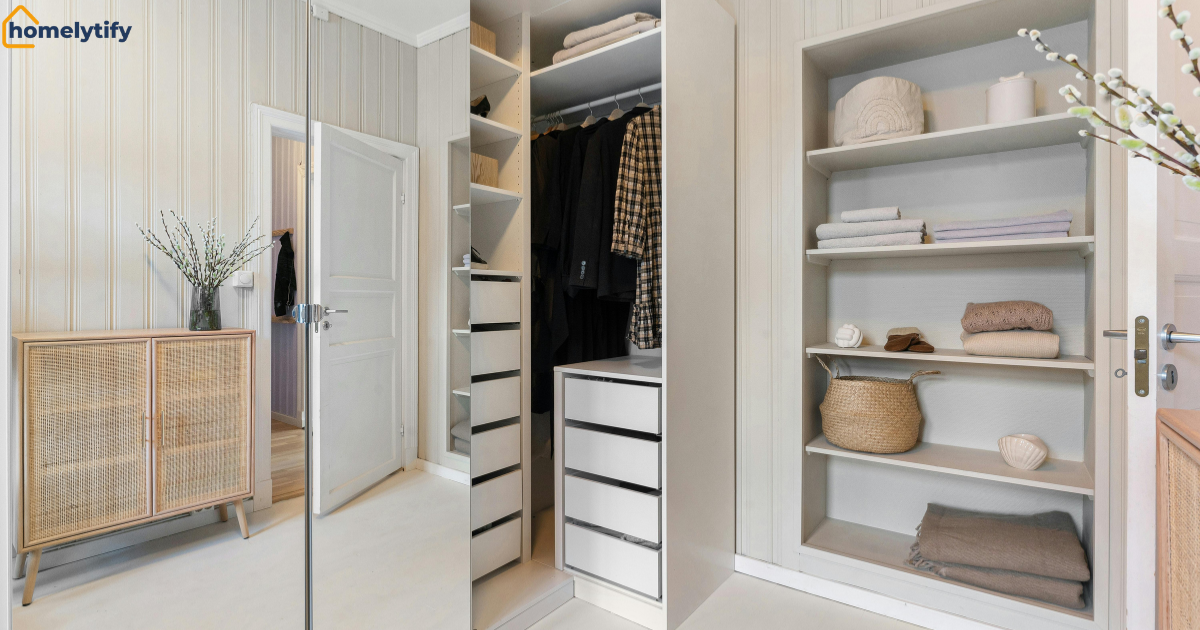
How to Get Cheap Storage Without Buying Furniture: Easy Hacks
If your home feels like it’s overflowing but you can’t afford to buy a new shelf or cabinet, you’re not stuck; you’re just looking in the wrong direction. Cheap storage without buying furniture is 100% possible, and honestly, most of the best solutions are already sitting in your home or cost next to nothing to set up.
A lot of people think a cluttered home just needs more storage products. But most of the time, the real issue is untapped space and poor organization, not a lack of shelves. Maybe you’re in a small apartment, a rented room, or just trying to cut down on clutter without spending money.
Whatever your situation, this guide covers practical, room-by-room hacks that actually work. No vague advice. No expensive purchases. Just things you can do today.
Why Your Home Feels Cluttered (It’s Not About Space)
Here’s something most organization articles skip over: clutter usually isn’t a space problem. It’s a system problem. The reason things pile up on your kitchen counter or your bedroom floor isn’t that you don’t have a shelf; it’s because there’s no designated spot for those items.
A November 2024 survey by Talker Research found that 32% of people in cluttered homes blame the size of their space, while 31% say they simply can’t decide what to get rid of. That’s a revealing split: for most people, the real barrier isn’t square footage or missing shelves, it’s decisions. And decisions cost nothing to fix.
Before you buy anything or build anything, try this first. Walk through each room and identify where things actually land when you come home. Your keys, your bag, your charger, where do they always end up? Those spots are telling you where storage needs to happen, and that’s where any hack you set up will actually get used.
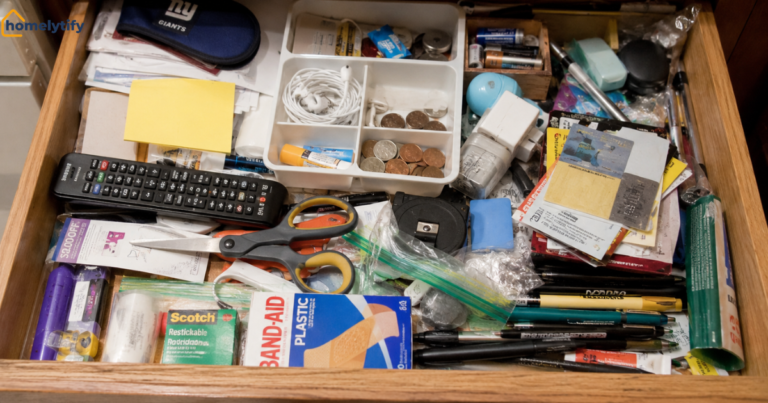
Most homes have more storage potential than people realize. The problem is it’s in the wrong form: a spare drawer jammed with random things, a closet with wasted vertical space, or a cabinet that’s half-empty because nothing is organized inside it.
Use What You Already Own Before Spending a Dime
I moved into a two-bedroom apartment a few years ago. I quickly realized there wasn’t a single dedicated storage spot for anything, no linen closet, no pantry, no utility room. Everything just landed on the kitchen counter or the bedroom floor. My first instinct was to go buy shelving. I also kept costs down, so before I spent anything, I did a sweep of what I actually had.
The first thing I found was a stack of Nike and Clarks shoeboxes sitting at the bottom of my wardrobe, empty. I covered them in brown kraft paper, labeled them with a marker, and lined them up on the wardrobe shelf for off-season accessories and phone cables. They looked intentional, cost nothing, and solved a real problem. I’ve been doing this ever since.
I also had an old Samsonite suitcase from a trip I’d stopped taking. It had been sitting in a corner collecting dust for two years. I filled it with spare bedding and winter blankets and slid it under the bed. Gone. That one move cleared half the wardrobe space I thought I didn’t have.
That experience genuinely changed how I approach storage. Now, every time I feel like a room is getting out of control, I do a lap of the house looking for containers I’m not using before I consider buying anything.
Here’s what’s usually hiding in plain sight in most homes:
- Empty shoeboxes (Nike, Adidas, Clarks, any brand) stack on shelves for organizing cables, accessories, bathroom supplies, or office items. Cover with kraft paper if you want them to look clean.
- Old suitcases (Samsonite, American Tourister, or any spare ones) fill with off-season clothes or bulky bedding and slide under the bed.
- Old laundry baskets drop one in a corner of the living room for throw blankets, or in a kid’s room for toys.
- Large cooking pots store smaller kitchen items like lids, utensils, or baking tools inside them when they’re not in use.
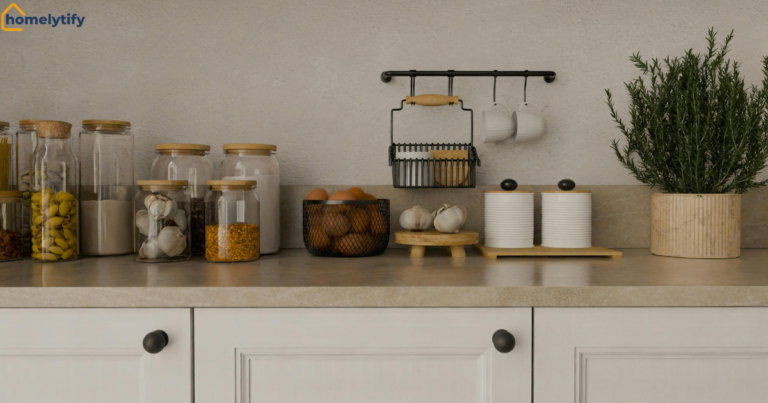
- Glass jars (old pasta jars, jam jars) on the kitchen counter for pens, scissors, spatulas, or dry goods like rice and lentils.
- Tension rods, a $3–$5 rod from a dollar store, fit inside any cabinet and work as a divider for cutting boards, pan lids, or hanging spray bottles.
Vertical Space: The Most Underused Storage in Any Home
Most people think about floor space when they think about storage. But the area between the top of your furniture and the ceiling is almost always empty, and it’s free real estate.
Getting your storage off the floor and onto walls is one of the highest-impact moves you can make in a small space. The good news is you don’t need to spend much to do it.
Floating Shelves on a Budget
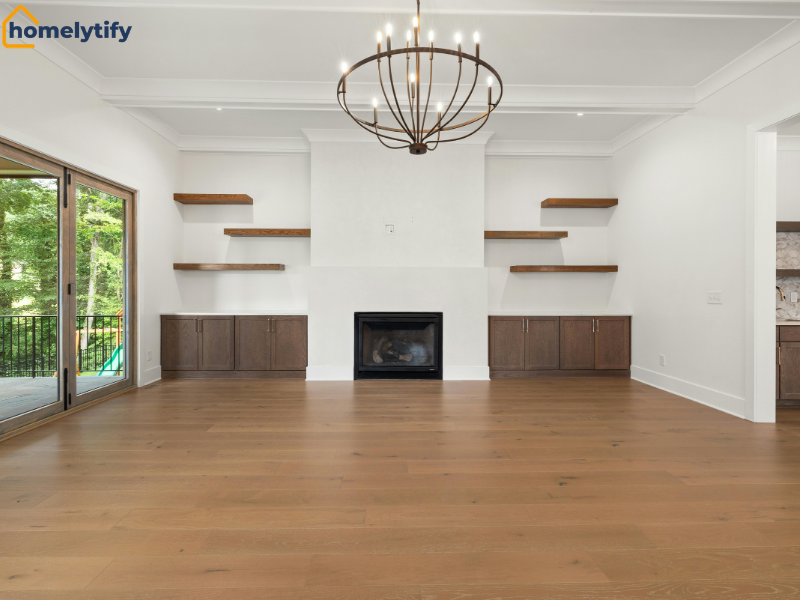
Floating shelves are among the most affordable home organization tips you can execute. A basic bracket-and-board shelf from a hardware store can cost under five dollars in lumber and a few screws.
You can also pick up cheap floating shelves secondhand. IKEA’s LACK wall shelf (around $15 new) shows up constantly on Facebook Marketplace for a dollar or two.
The key is using them intentionally. Put shelves above doorframes. That narrow strip above every door in your home is perfect for books, labeled boxes, or IKEA KNIPSA baskets. Use shelves above your toilet for toiletries.
Install one above your washing machine for detergent and supplies. These spots tend to go unnoticed, which means they’re completely free.
Command Strips and Tension Rods
If you’re renting and can’t drill, 3M Command strips and spring tension rods open up a surprising amount of wall and cabinet space. Command Large Utility Hooks (about $5 for a pack of two) can hold hanging organizers, small baskets, bags, or kitchen utensils with a weight limit of up to 7.5 lbs, enough for most organizers.
The strips are removable without damaging walls, which matters a lot if you rent.
Tension rods fit inside cabinets to create extra tiers. A BasicTent or Maytex spring tension rod (both under $8) placed under the kitchen sink can hang spray bottles vertically, freeing up the entire floor of the cabinet.
Put one between two cabinet walls to hang mugs by their handles, and you’ve effectively doubled your mug storage.
Over-the-Door and Behind-the-Door Storage Hacks
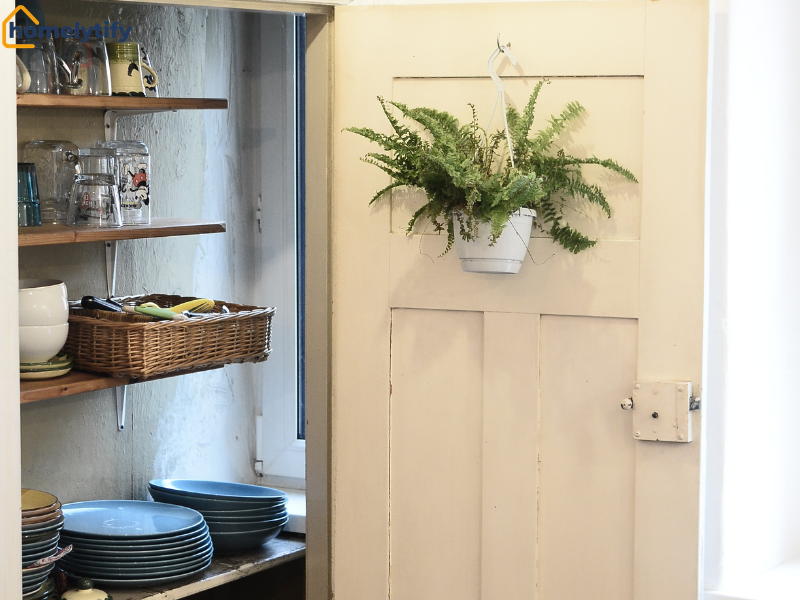
The back of every door in your home is a storage spot that most people never use. A few products worth naming:
- Simple Houseware Over-the-Door Hanging Organizer (around $13): 24 pockets, fits most standard doors, works in the bedroom, bathroom, or pantry.
- HOMEIDEAS Over Door Shoe Organizer (around $10) holds up to 24 pairs of shoes or, more practically, folded clothes, cleaning supplies, or snacks in a pantry.
- Command Over-the-Door Large Hook (around $6 for two) for hanging robes, bags, or towels on any door without drilling.
Here’s how to use door storage room by room:
- Bedroom door: shoes, accessories, or the SimpleHouseware fabric pocket organizer for everyday small items
- Bathroom door: toiletries, hair tools, cleaning supplies
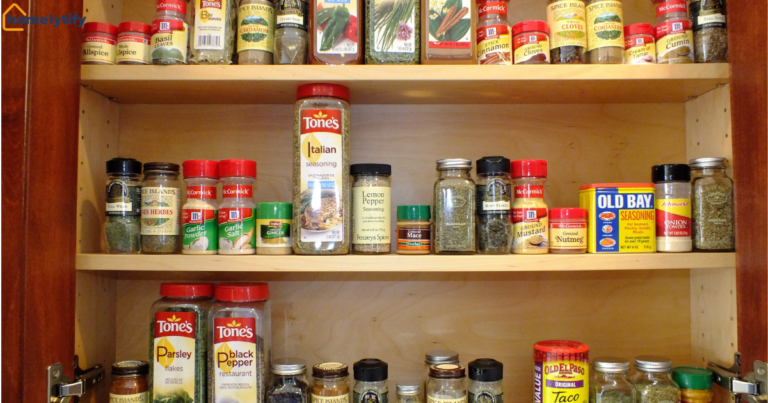
- Kitchen pantry door: spice packets, foil, plastic wrap, small condiments
- Closet door: bags, belts, scarves, or a shoe organizer repurposed for folded items
The inside of a wardrobe door is often completely ignored. A few 3M Command hooks on the inner panel can hold bags, belts, or a small jewelry organizer, a full extra section of storage from a door that was already there.
Creative Storage with Boxes, Bins, and Bags
You don’t need matching storage bins from a home decor store. You need containers, and the cheapest ones work just as well.
Cardboard boxes from deliveries or grocery stores are completely underrated. Label them clearly, store them on a shelf or in a closet, and they function exactly like a bought bin. Reinforce the bottom with packing tape. Cover them with paper or contact shelf liner if you want them to look intentional.
If you do want to buy something, these are worth the low price:
- IRIS USA 12-Quart Stack & Pull Box (around $5 each) is clear, stackable, and durable. Ideal for closets or under beds.
- Ziploc Big Bags (around $8 for a pack) for compressing bulky seasonal items like puffer jackets, scarves, and throws.
- Spacesaver Premium Vacuum Storage Bags (around $20 for a pack of 8) compress an entire winter duvet to the size of a small pillow. They work with any home vacuum, and the compression holds for months.
One thing most articles miss: the act of grouping similar items often reveals that you have far less stuff than you thought, and that your existing storage is actually enough; it just wasn’t being used properly.
A few large Ziploc bags to group charging cables by device, a mason jar for pens, and a shoebox for batteries. These cost almost nothing and completely transform a drawer or shelf.
The Dead Zones Nobody Talks About (And How to Use Them)
Every home has dead zones, awkward spaces that never get used for anything. Identifying and activating these is one of the best no-cost storage moves you can make.
Under the bed. Flat rolling bins like the Sterilite 106 Qt. Wheeled Storage Box or the IRIS USA Under Bed Storage Bag (both under $25) fit under most standard beds.
If your bed sits too low, a set of BALEINE Adjustable Bed Risers (around $15 for a set of 4) lifts it 3 to 5 inches, enough for real storage containers underneath.
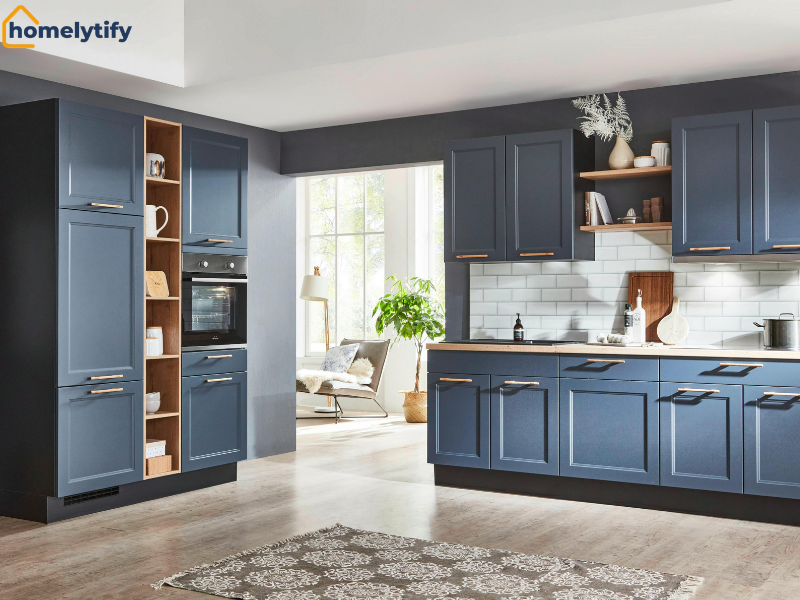
Above kitchen cabinets. That gap between the top of your cabinets and the ceiling is almost always wasted. It’s a great spot for items you use rarely, such as a spare slow cooker, large baking trays, and seasonal décor.
Use IKEA DRONA boxes or basic wicker baskets so they look neat. Keep everything in matching containers so the row looks deliberate rather than like an overflow pile.

Behind the sofa. If your sofa sits away from the wall, measure that gap first. Most sofas leave 4 to 8 inches, which is enough for slim flat bins or magazine files stood on their sides. A row of baskets can hold remotes, throw blankets, or board games without taking up any additional floor space.
Inside existing furniture. The inside of a drawer can be doubled in efficiency with a simple cardboard divider cut to size, or a cheap bamboo drawer organizer like the Greenco Bamboo Drawer Dividers (around $12 for a set).
The Joseph Joseph CupboardStore Under-Shelf Basket (around $15) clips onto existing shelves and creates a second level with no tools.
Budget Storage Solutions for Each Room
Kitchen
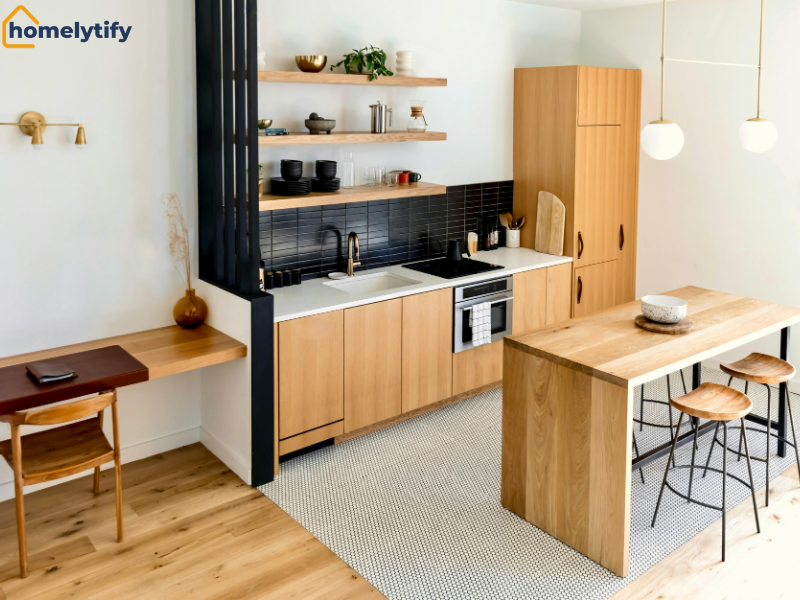
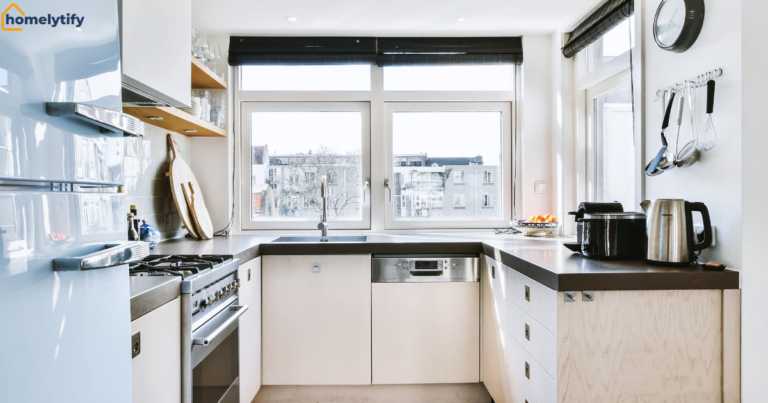
The kitchen tends to collect the most clutter because it has the most categories of stuff. Start by clearing counter space; that’s the highest-value real estate in the room.
Install a tension rod under the sink to hang spray bottles like Method, Mrs. Meyer’s, or Seventh Generation vertically, freeing up the entire floor of the cabinet. Use a SimpleHouseware Magazine Holder (about $2–$4 at most dollar stores) to store cutting boards and pan lids on their sides.
A small IKEA SKADIS pegboard (around $15) can hold pots, tools, and utensils on one wall without touching any cabinet space. Mason jars or any clean glass jars are free storage for utensils, dry goods, or small items like rubber bands in a drawer.
Bedroom
The bedroom benefits most from maximizing closet and under-bed space. Add an extra hanging rail at a lower level by suspending a wooden dowel from the existing rail with S-hooks. This doubles your hanging space without buying anything new.
Use the top shelf of your wardrobe for items stored in labeled Sterilite or IRIS USA bins. Add 3M Command hooks to the inner walls of your wardrobe for bags and accessories.
If your nightstand has no storage, a bedside caddy like the Houseables Bedside Caddy Organizer (under $15) slips between the mattress and box spring. It holds a phone, a book, glasses, and a charger without taking up any floor space.
Bathroom
Bathrooms are often tiny, and the storage options that come with them are minimal. The back of the door is your best move here. A Simple Houseware or HOMEIDEAS over-door organizer handles most of what you need for under $15.
Inside the medicine cabinet or under-sink area, stackable shoeboxes or small IRIS USA bins create clear sections for different product categories. A Command Medium Utility Hook on the inside of the sink cabinet door holds a small trash bag or cleaning gloves.
A simple ladder-style towel rack made from two wooden dowels and a length of jute rope costs almost nothing and holds three times more than a standard towel ring.
Living Room
The living room usually suffers from too many small items with no home. A wicker basket from IKEA (the FLÅDIS range starts at around $8) in the corner is the lowest-effort solution: one for throw blankets, one for books or remotes, one for items that need to be put away. It takes five minutes to sort at the end of the day, and the room immediately looks more organized.
Use the inside of your coffee table or ottoman if it has any storage. If not, a few flat IKEA SAMLA boxes under the sofa can hold the same things without being visible.
Common Mistakes That Make Small Spaces Even More Cluttered
Buying More Containers Before Decluttering
This is the most common mistake. Always declutter first, then organize what’s left. You’ll usually need less storage than you thought.
Ignoring Vertical Space
When the floor and counter space are full, most people feel like they’ve run out of room. But the wall space from about hip height to the ceiling is almost always empty. Shelves, hooks, hanging organizers, and wall-mounted storage add capacity without using any floor space.
Poor Zone Planning
Storage has to live where the habit already exists. If your mail organizer is in the bedroom but you always enter through the kitchen, the mail will never make it there. Think about where things actually land in your home, not where you wish they’d go, and create storage in those spots.
Storing Too Much
Sometimes the real storage problem is the amount of stuff, not the amount of space. Items you haven’t used in over a year are good candidates for donation or sale. Less stuff means less to organize and genuinely more space without any cost at all.
Underestimating Small Fixes
A single Command hook by the door changes the entire entry routine. A tension rod under the sink doubles the cabinet capacity. Labeling a box makes it usable instead of invisible. Don’t wait for a full organization overhaul; one small fix today is more useful than a perfect system planned for later.
Conclusion
You don’t need new furniture to have a more organized home. Cheap storage without buying furniture is mostly about using what you already have more intelligently, going vertical, activating dead zones, and creating a system that matches how you actually live rather than how you think you should live.
The homes that feel spacious on a budget aren’t the ones with the most storage products. They’re the ones where everything has a place, that place makes sense, and the clutter has been genuinely reduced rather than just rearranged.
Start with one room, or even one corner. Pick the thing that bothers you most and tackle that first. A single afternoon of reorganizing with nothing bought can change the feel of your entire space.
Frequently Asked Questions
How can I add storage to a small apartment without spending money?
Declutter first, then repurpose what you own — shoeboxes, suitcases, and jars work as free storage. Use vertical space, door backs, and under-bed areas you already have.
What are the best no-cost storage hacks for renters?
3M Command hooks, spring tension rods, and over-the-door organizers require no drilling, leave no damage, and come off easily when you move out.
How do I maximize bedroom storage without buying furniture?
Add a second curtain rod with S-hooks to double wardrobe hanging space, use flat bins or old suitcases under the bed, and add Command hooks inside wardrobe doors. Vacuum bags compress bulky bedding to free up shelf space.
Is it worth buying storage containers before organizing?
No, always declutter first. Use free containers like shoeboxes and jars, then buy specific items like IRIS USA bins only where genuinely needed.
What are the best budget space-saving ideas for a small kitchen?
Hang spray bottles with a tension rod under the sink, store cutting boards vertically with a magazine holder, use mason jars for utensils, and mount an IKEA SKADIS pegboard for pots and tools.

2 Comments