How to Stop Clutter From Coming Back at Home: Simple Daily Habits
You spend hours decluttering your home and fill a few bags with things you no longer need. Finally, you feel like everything is under control. Then, a few weeks later, the clutter is everywhere again. The junk drawer is full, and things are starting to pile up.
If you are wondering how to stop clutter from coming back at home, the problem may not be that you need to declutter more often. You may just need a few simple habits to stop clutter from building up again.
In this article, I’ll share simple daily and weekly habits that can help you keep clutter under control. You do not need to spend every weekend cleaning and organizing your home. These are small changes you can fit into your normal routine, even when life gets busy.
Why Clutter Keeps Coming Back Even After You Declutter
Decluttering can make your home feel much better, but it does not stop new clutter from coming in. If you bring things into your home without a plan for where they belong, the same mess can slowly build up again.
For example, you may clear your kitchen counter today, but then leave mail there tomorrow. You may organize a junk drawer, but if you keep putting things into it without deciding where they belong, it can become messy again. These small habits can bring clutter back over time.
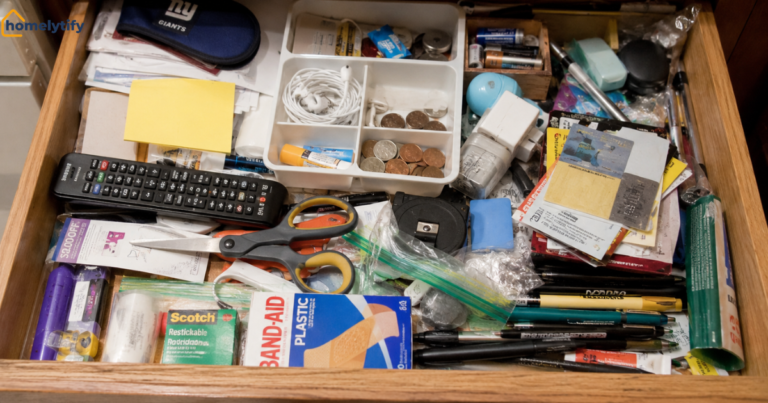
I learned this in my own home. I spent an entire Sunday cleaning out our junk drawer. I removed old papers, loose screws, dead batteries, and things we no longer needed. The drawer looked great when I finished. But after a few days, it was getting full again. That made me realize that cleaning the drawer was not enough. I needed to change what we were putting into it.
So, I made two simple rules for myself. First, if I could not explain why something belonged in the drawer, it did not go in. Second, after organizing the drawer or another storage area, I take one final look before closing it and ask myself whether each item is in the right place.
That small change helped me stop cleaning the drawer again and again. It showed me that keeping clutter under control is not only about decluttering. It also depends on the small habits that determine what comes back into your home and where those things end up.
What’s Really Causing Your Clutter to Return?
Clutter usually comes back for a few simple reasons. Some things do not have a proper place, new items may come into your home faster than old ones leave, or small messes may be left for too long.
Things Don’t Have a Fixed Home
Your daily-use items, such as keys, mail, shoes, or other things, may not have a specific place. They will usually end up wherever it is easiest to leave them.
You should give frequently used items a clear home. When you know where something belongs, it is much easier to put it away after using it and find it when you need it, instead of leaving it on a counter, table, or chair.
New Things Keep Coming In
It is easy to focus on getting rid of things while forgetting about the things that keep entering your home. When you buy new clothes, toys, kitchen items, gifts, or things simply because they are on sale, they can slowly add up.
You do not need to stop buying things completely. Just try to think about whether you really need something and where you will keep it before bringing it into your home.
Small Messes Are Left Too Long
Sometimes you may think, “It is only one piece of mail on the counter, so it will not cause a problem.” But when you leave more mail there each day, these small pieces can turn into a pile. Then, the pile can quickly become more difficult to deal with.
The same thing can happen with clothes, toys, papers, and items that need to be put away. Dealing with small messes early is much easier than waiting until they become a bigger task.
The goal is not to keep your home perfectly organized all the time. It is to notice the small habits that allow clutter to build up and change them before the mess gets bigger.
The 10-Minute Daily Reset Routine That Keeps Clutter Away

A short daily reset can help stop clutter from building up. You do not need to clean the whole house every night. The goal is simply to put things back where they belong. I usually find it easier to do this in the evening, but you can choose any time that suits your routine.
Here is a simple 10-minute reset you can try:
- Clear the main surfaces. Put away things from the dining table, kitchen counter, coffee table, and other surfaces where clutter collects quickly.
- Put misplaced items back. Walk through the home and put things back in their proper places. If you find items that belong in another room or storage area, take them there right away instead of leaving them for later.
- Reset the kitchen. Put dirty dishes in the dishwasher or wash them, clear the counters, and put things back where they belong.
- Tidy the entryway. Put shoes where they belong, hang up bags and jackets, and return keys to their usual spot.
- Stop when the timer ends. Ten minutes is enough for a daily reset. You are not trying to deep-clean the house. You are simply giving it a quick reset.
Doing this every day can make a big difference because you are dealing with clutter while it is still small. You are also less likely to need a long decluttering session later.
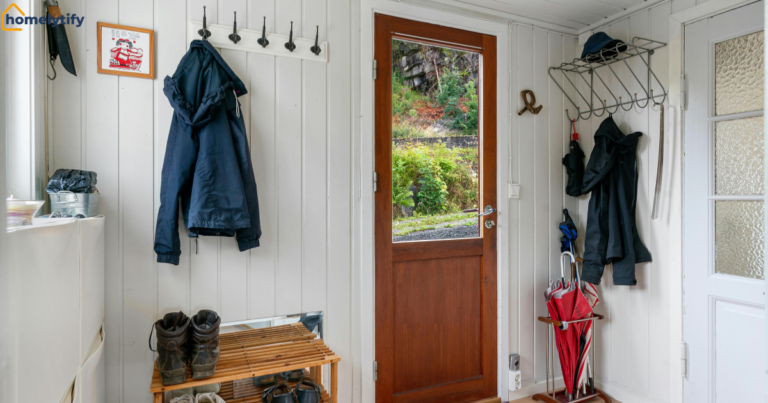
Build a Landing Zone So Clutter Does Not Pile Up at the Door
A landing zone is a small area near the entrance where you keep everyday items such as keys, shoes, bags, and mail. Having one place for these things can stop them from spreading to other parts of the house.
You do not need to build a large storage unit. Even a small table, a few hooks, and a basket can work.
You can include:
- A small tray or bowl for keys and wallets
- Hooks for bags, jackets, or other items you use often
- A basket for incoming mail
- A shoe rack near the door
The most important part is to make the space easy to use. If putting something away takes too much effort, it is more likely to end up on a nearby table or chair.
You can also make a simple rule for your family: when everyone comes home, they should put their everyday items in their assigned places instead of leaving them wherever they happen to be standing.
This small habit can keep clutter from spreading into the rest of your home.
The One-In, One-Out Rule
The one-in, one-out rule is simple: when you buy a new item and bring it into your home, try to remove one similar item that you no longer need.
For example, if you buy a new shirt, look through your clothe and see if there is an older shirt you no longer wear. If you buy a new kitchen item, check whether you already have something similar that you rarely use or no longer need.
This does not mean you have to get rid of something every time you buy something. Instead, use this rule as a reminder to think about the space you have before bringing something new into your home.
This simple rule can be especially helpful when your closet, kitchen cabinets, toy storage, or other areas are already full. If there is no place for something new, take a moment to decide whether something else can leave first.
Create a Simple Clutter Maintenance Routine
You do not need to declutter your whole home again a few weeks later. A simple maintenance routine can help you catch clutter before it becomes a bigger task.
Think of it as a few small checks instead of another big decluttering day.
| How Often | What to Do | Time Needed |
| Daily | Put things back, clear main surfaces, and reset the kitchen and entryway | 10 minutes |
| Weekly | Sort mail and papers, check your donation items, and clear one clutter hotspot | 20–30 minutes |
| Monthly | Check one closet, cabinet, drawer, or other area where clutter builds up | 30–60 minutes |
Daily
Use the 10-minute daily reset from the earlier section. Put misplaced items back in their places, clear the main surfaces, and deal with anything that has been left out during the day.
Weekly
Choose one day to handle the small things that can easily pile up during the week. Sort the mail, check your donation items, and look at one drawer, shelf, or other clutter hotspot.
You do not need to check every room. Fixing one small area is enough.
Monthly
Once a month, choose one area of your home for a closer look. It could be a closet, kitchen cabinet, bathroom cabinet, pantry, or another place where things tend to collect.
Ask yourself:
- Am I still using these things?
- Is this area becoming difficult to use?
- Is anything being left here because it does not have a proper home?
- Is there anything I can donate, recycle, or throw away?
This routine is much easier to maintain than waiting until the whole house feels cluttered again. You will also be less likely to feel tired from having to organize the whole home at once. These small checks give you a chance to deal with problems while they are still manageable.
Make Storage Easy to Use
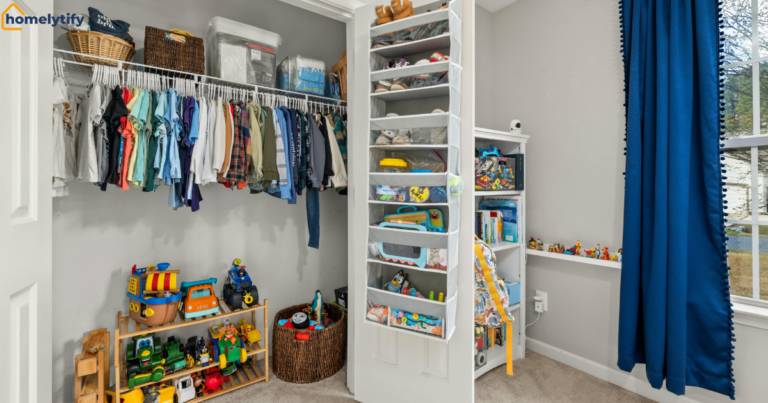
If putting something away feels difficult, you are more likely to leave it out. Good storage does not have to look perfect, but it needs to be easy enough to use every day.
Look at the places where clutter keeps coming back and ask yourself whether the storage is working for you. If you have to move several things before getting an item, or if a container is difficult to open, the system may not work well for your daily routine.
Try these simple changes:
- Keep frequently used items where they are easy to reach.
- Use open baskets for things you use often.
- Avoid filling drawers and cabinets so tightly that things are difficult to put back.
- Keep similar items together.
- Store less-used items in higher or harder-to-reach places.
The purpose of a simple storage system is to make it easier to put things away and maintain the space. If the system requires several steps every time you put something away, you are more likely to leave things out.
If the same items keep ending up in the same place, look at the storage system before blaming yourself for the clutter.
Common Mistakes That Bring Clutter Back
Sometimes clutter comes back because the organizing system itself is making things harder. Avoiding a few common mistakes can make it much easier to keep your home organized.
Buying Storage Before Decluttering
It can be tempting to buy baskets and bins as soon as you decide to organize. But if you buy storage without first checking what you actually need, you may end up with more containers than necessary.
If you have more things than you need, adding storage may only give those things more places to stay. Declutter first, then decide what kind of storage you actually need.
Making Your Storage System Too Complicated
A system may look good when you first set it up, but it will not be helpful if it takes too much time to maintain.
Keep everyday storage simple. If you use something often, make sure it is easy to take out and easy to put back.
Letting “Maybe” Items Stay Too Long
A box of things that you might donate someday can easily sit in your home for months.
If you are unsure about something, give yourself a reasonable deadline to make a decision. If you still have not used or needed it by then, it may be time to let it go.
Ignoring Paper and Digital Clutter
Clutter is not always something you can see around the house. Unsorted papers, old screenshots, unused files, and a crowded email inbox can also create clutter and make things harder to manage.
You do not need to organize everything at once. Start with one small area and deal with it regularly so it does not become another big task.
Get Your Family or Roommates on Board
It can be difficult to keep clutter under control when you share your home with other people. If one person follows an organizing system but other family members or roommates use shared spaces differently, clutter can quickly return.
The goal is not to make everyone organize the home in the same way. Instead, agree on a few simple rules that everyone can follow.
- Give everyone a clear responsibility. Instead of asking someone to “clean the room,” give them one simple area to look after, such as the entryway, shoe area, or coffee table.
- Do a quick reset together. A few minutes of everyone putting their own things away can be easier than one person trying to tidy the whole house.
- Keep shared rules simple. For example, shoes go in the shoe area, mail goes in the mail basket, and personal items do not stay on shared surfaces overnight.
- Look at the system when the same mess keeps returning. If bags always end up on one chair or shoes always collect by the door, think about whether the current setup is working for everyone.
Conclusion
A clutter-free home does not come from one big decluttering session. It comes from small habits that stop clutter from building up again. Give things a clear place, deal with small messes before they grow, and take a few minutes each day to reset your main spaces. If you share your home with family or roommates, agree on a few simple rules that everyone can follow.
You do not need to change everything at once. Choose one habit from this article and try it for the next two weeks. Once it becomes part of your routine, add another one.
Frequently Asked Questions
What Is the Root Cause of Clutter?
The root cause of recurring clutter is often a few simple habits. Things may not have a clear home, new items may keep coming in, or small messes may be left until they become bigger piles.
What Should I Remove First When Decluttering?
Start with obvious rubbish, broken items, duplicates, and things you no longer use or need. Removing these items first can make it easier to see what you actually want to keep and where everything should go.
What Are 6 Things I Can Do Every Day to Keep My House Clean?
Put things back after using them, clear the main surfaces, wash or put away dirty dishes, put away clothes, deal with the mail, and do a quick evening reset. These small tasks help stop everyday mess from turning into bigger clutter.
What Is a Good Daily Routine for Keeping My House Clean?
A simple routine can include making the beds, putting things back where they belong, clearing the kitchen and main surfaces, putting away clothes, and doing a quick reset of the entryway and living areas. You do not need to clean the whole house every day.
What Is a Good Daily Cleaning Schedule for a House?
Keep the daily routine short and focus on the areas that get messy most often. Spend about 10 minutes each day putting things away and clearing main surfaces, then use a weekly and monthly routine to deal with areas that need more attention.