

How to Reduce Household Expenses on a Budget: Easy Tips
If you’re trying to figure out how to reduce household expenses on a budget, you already know the frustration of looking at your bank statement and wondering where it all went. Groceries, electricity, random subscriptions, delivery fees… it adds up faster than you expect.
The good news is you don’t need to make dramatic lifestyle changes to see real results. Most families are overpaying in three or four areas without realizing it, and fixing those alone can free up a surprising amount every month.
This guide is built on practical, real-world ideas, not generic advice like “make your own coffee.” We’ll go through the actual areas where money leaks happen, what causes them, and exactly what you can do about them. If you’re managing a household budget under pressure, you’ll find something useful here.
Why Your Monthly Budget Keeps Falling Apart (And It’s Not What You Think)

Most people blame spending on big purchases. But household budgets usually fall apart from the small stuff, the recurring charges, the habitual overspending at the grocery store, the utility bills no one reviews.
The problem isn’t just willpower. It’s that many people don’t have a clear picture of what they’re spending. When you don’t track it, you can’t manage it. A family of four might think they spend $250 a month on groceries, but when they actually count it, it’s closer to $380.
The other thing that kills budgets is treating every expense as fixed when many aren’t. Your phone bill, internet plan, and insurance premium feel permanent, but most of them can be negotiated, switched, or reduced with some effort. That’s where the real savings hide.
Start Here: How to See Where Your Money Actually Goes
Before cutting anything, you need to know what you’re actually spending. This isn’t about creating a complicated spreadsheet. It’s about getting honest with yourself for one week.
Go through your last month of bank or credit card statements. Group your expenses into a few simple categories: food, utilities, transport, subscriptions, debt payments, and miscellaneous. Most people are surprised by at least one category. That surprise is where you start.
Once you have a rough picture, look for two things: what’s costing more than you thought, and what you’re paying for without using. Those are your two fastest areas to reduce monthly household expenses without any real sacrifice.
A realistic approach is to pick two or three areas at a time. Trying to fix everything at once almost always fails. People get motivated, cut everything aggressively, and then bounce back to old habits within a month because it feels too restrictive.
Smart Ways to Cut Grocery Expenses at Home Without Eating Worse
Food is usually the second- or third-largest household expense, and it’s also the most flexible. You can easily cut 20-30% off your grocery bill without changing what you eat, just changing how you shop.
Plan Before You Shop
The single most effective thing you can do is shop with a list based on actual meals. Most grocery overspending happens in the store, not because of the prices but because of unplanned decisions. When you go in without a plan, you buy things you don’t need and forget things you do.
Write out five to seven dinners for the week. Build your list around them. Then check what you already have before you go. This one habit can cut a grocery run by 15-20% easily.
Buying in bulk for things you use every week, rice, lentils, cooking oil, flour, almost always saves money compared to buying smaller packs more frequently. The per-unit cost is lower, and you reduce the number of shopping trips, which themselves tend to generate impulse spending.
I used to think we were already shopping carefully until I tracked it for one month. The number was embarrassing. We were spending nearly 40% more than we estimated, mostly on things that seemed small in the moment: an extra pack of biscuits here, a ready-made sauce there, vegetables that went bad before we used them. The one habit that made the biggest difference wasn’t buying cheaper things; it was checking the fridge before writing the shopping list.
That single step alone cut our grocery trips from four a week to one and a half. Now I keep a small whiteboard on the fridge. When something runs out, it goes on the board immediately. My shopping list practically writes itself, and I never buy something I already have sitting at the back of a shelf.
Common Grocery Mistakes vs. Smarter Alternatives
| Mistake | Why It Costs More | Smarter Alternative | Estimated Monthly Savings |
| Shopping without a list | Impulse buys add up fast | Plan 5-7 meals, shop from that list only | $20-40 |
| Buying pre-cut vegetables | You pay for the cutting, not the food | Buy whole vegetables and cut them at home | $5-12 |
| Frequent small trips | Each trip generates a new impulse to spend | One main weekly shop + one top-up max | $10-25 |
| Buying small pack sizes | Per-unit cost is much higher | Buy staples in bulk: rice, oil, flour | $8-15 |
| Ignoring food waste | Throwing away food = throwing away money | Meal plan and use leftovers intentionally | $15-30 |
Rethink How You Cook
Cooking from scratch almost always costs less than semi-processed or ready-to-cook options. But this doesn’t mean spending hours in the kitchen. Simple, one-pot meals using lentils, vegetables, and eggs are cheap, quick, and filling.
Food waste is another invisible expense. The average household throws away more food than they realize, such as vegetables that go bad, leftovers that don’t get used, and bread that goes stale. Meal planning and using what you already have before buying more can reduce grocery costs over a month.
The scale of this problem is bigger than many people realize. A 2025 report by Worldpanel by Numerator, based on a study of 6,000 households, found that average quarterly household expenses have risen by over 33% in just three years. The report concluded that even lower-income households are now struggling to manage their budgets effectively.
When prices keep rising, the only lever families actually control is how they spend, not what things cost. That is exactly why small cooking and shopping habits matter more than they used to.
How to Reduce Utility Bills at Home Without Major Upgrades

Utility bills are one of those expenses people accept as fixed when they’re actually quite variable. You don’t need to install solar panels or buy new appliances to reduce electricity and water bills. Small behavioral changes add up significantly over a year.
Electricity
Air conditioning and water heaters are usually the biggest electricity consumers in a home. Running AC one degree warmer than your usual setting doesn’t make a noticeable comfort difference, but can reduce electricity consumption by a noticeable amount. Turning off the water heater when it’s not needed for several hours overnight or during the daytime in summer also cuts consumption.
Lights left on in empty rooms, devices left on standby, chargers left plugged in, none of these individually seem like much. Together, they can add up to a real portion of your monthly electricity bill. The habit of switching off when you leave a room is one of the best money-saving home tips there is because it costs nothing to do.
Water
Most water waste in households happens in three places: long showers, running taps while doing dishes or brushing teeth, and leaky taps or toilets that go unrepaired. A dripping tap wastes more water than people expect over the course of a month.

Fixing leaks immediately, taking slightly shorter showers, and turning off the tap while soaping or brushing are all cheap ways to save money at home that most guides skip over because they seem too obvious. But these habits have a real impact on the bill.
Gas and Heating
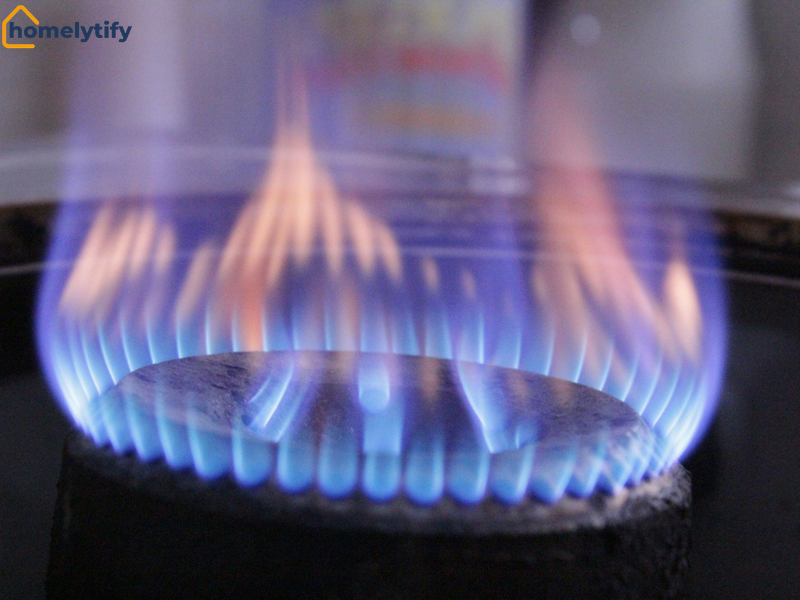
If you use gas for cooking or heating water, the biggest savings come from reducing idle burning, not leaving the stove on between steps, not heating water longer than needed, and maintaining your geyser or boiler so it runs efficiently. Insulation matters too. Even simple things like draft-proofing windows and doors in winter can reduce your heating needs noticeably.
Subscriptions, Services, and Silent Money Drains
This is where most modern households lose money without realizing it. Streaming services, app subscriptions, gym memberships, cloud storage plans, food delivery memberships- these are usually set to auto-renew and easy to forget.
Go through your bank statement and highlight every recurring charge. You’ll likely find at least two or three things you either don’t use or use so rarely that it doesn’t justify the cost. Cancel those first.
For things you do use, think about consolidation. Do you need three streaming services? Most households watch primarily one and use the others occasionally. Rotating subscriptions, subscribing to one for a month, canceling, then picking up another, is a practical way to enjoy variety without paying for all of them simultaneously.
Food delivery apps with monthly memberships only make sense if you order frequently enough that the savings on delivery fees exceed the subscription cost. Many people pay for these without doing the math.
Budget-Friendly Household Tips for Cutting Fixed Monthly Costs
Fixed costs feel immovable, but a surprising number of them can be reduced with a phone call or a bit of research.
Housing
If you’re renting, your rent is probably your largest single expense. Many landlords will negotiate if you offer to extend your lease, pay several months upfront, or handle a minor maintenance issue yourself. It doesn’t always work, but asking costs nothing.

If you own your home, review your property tax assessment if that’s applicable in your area, and check whether your mortgage rate is still competitive. Refinancing when rates are lower can reduce monthly payments noticeably.
Transport

After housing and food, transport is usually the third biggest household expense. People often underestimate how much they spend on fuel, parking, vehicle maintenance, and the occasional ride service.
If you have two vehicles but one household member works from home or could use public transport, running one car instead of two can save significantly, not just in fuel but in maintenance, insurance, and registration.
Combining errands into fewer trips, carpooling where possible, and planning routes to avoid unnecessary distance all reduce fuel costs in ways that compound over months.
Insurance
Insurance is one of the most under-reviewed household expenses. Most people set up a policy and never revisit it. But insurance premiums can often be reduced by bundling policies with one provider, increasing your deductible if you have savings to cover it, removing coverage you no longer need, or simply calling and asking for a better rate.

Comparing rates once a year takes a couple of hours and can save thousands annually, especially on car or home insurance.
The Common Mistakes People Make When Trying to Lower Monthly Living Costs
Here’s where things usually fall apart for people who are trying to budget better.
Cutting too aggressively at the start. The motivation hit when you decide to start saving often leads to cutting everything at once, such as dining out, entertainment, clothing, and snacks. This works for about three weeks and then collapses. People feel deprived and return to old habits. Sustainable reduction is gradual. Pick two or three changes, lock them in, then move to the next.
Ignoring fixed expenses and only targeting flexible ones. Most advice focuses on coffee, eating out, and entertainment because those are visible and easy to criticize. But groceries, utilities, and subscriptions together often exceed discretionary spending. Fixing your variable habits while ignoring a $50 cable package you barely watch is bad math.
Not tracking after the first month. Many people put effort into understanding their spending, make changes, and then stop watching. Expenses creep back up, a new subscription here, slightly higher grocery bills there. Monthly check-ins, even just a ten-minute review of your bank statement, keep things on track.
Trying to out-earn instead of reduce. Some people respond to budget pressure by focusing entirely on earning more rather than spending less. More income absolutely helps, but spending has a way of rising to meet income. Without reducing household costs, higher earnings often don’t translate into financial stability.
Forgetting about irregular expenses. Car repairs, medical bills, school fees, and seasonal clothing aren’t monthly, so they don’t appear in regular budgets. But they arrive predictably. Setting aside a small amount each month for these categories means you’re not derailed when they happen.
How to Stay Consistent Without Burning Out
This is the part most budgeting articles skip. Reducing household spending isn’t a one-time project. It’s an ongoing habit, and like all habits, it requires a setup that doesn’t depend entirely on willpower.
The most effective thing you can do is automate. Set up an automatic transfer to savings the day after your salary lands. Pay fixed bills by direct debit. What’s left is what you have to work with. This is called paying yourself first, and it works because it removes the decision every month.
Build in a small allowance for enjoyment. A budget with zero flexibility for anything enjoyable fails. The goal isn’t deprivation, it’s redirection. You’re moving money from things you barely notice toward things that actually matter to you.
Review your spending every month, not every day. Daily checking tends to cause anxiety and obsessive tracking that isn’t sustainable. Monthly reviews give you the perspective to see patterns and make adjustments without burning out.
Celebrate small wins. If your electricity bill drops by $8 in a month, that matters. It’s real money. Noticing and acknowledging these wins keeps you motivated to continue.
Conclusion
Reducing household expenses on a budget doesn’t require a complete lifestyle overhaul. It requires clarity about where your money actually goes, the willingness to question a few assumptions, and the discipline to make small changes consistently.
The areas with the most room, groceries, utilities, subscriptions, and fixed bills, are also the areas most people haven’t seriously reviewed in months or years. That’s where the opportunity is.
Start with one category. See what happens. Then move to the next. This approach isn’t exciting, but it works, and unlike aggressive budget cuts that collapse in weeks, it tends to stick.
Frequently Asked Questions
What is the fastest way to reduce household expenses on a budget?
The fastest wins usually come from canceling unused subscriptions, reducing grocery waste with a meal plan, and reviewing one or two bills you haven’t looked at in months. These changes don’t require lifestyle sacrifices and can free up money within the first billing cycle.
How much can a family realistically save by budgeting better?
Most middle-income households can reduce monthly expenses by 15-25% without changes to quality of life, simply by eliminating waste, reviewing fixed costs, and planning purchases more deliberately.
Is it better to reduce expenses or earn more?
Both matter, but reduced expenses have an immediate effect and don’t rely on external factors. Spending less is also more sustainable than relying entirely on income growth, which isn’t always within your control.
How do I reduce electricity bills at home without buying new appliances?
The most impactful habits are adjusting your AC by one degree, turning off the water heater when not in use, switching off lights and standby devices, and fixing any leaks or drafts. These cost nothing and reduce consumption noticeably over a month.
How do I stick to a household budget long-term?
Automate savings and fixed payments, allow a small flexible budget for enjoyment, and review your spending once a month rather than daily. Budgets fail when they’re too rigid or too time-consuming to maintain. Keep it simple and built around real life.